
The Best Way To Monitor Organic Search Traffic As A Marketer
Organic traffic remains one of the most valuable growth channels available to marketers. Unlike paid advertising, organic search traffic compounds over time. The content you publish today can continue attracting visitors months or even years later.
Recent research from CoSchedule shows that website traffic remains a steady and important performance indicator for marketing teams. As competition for attention increases, marketers need clear visibility into what content is driving traffic, what isn’t, and what actions to take next.
That’s where an organic traffic checker becomes essential.
An organic traffic checker helps marketers monitor organic search traffic, analyze performance trends, and identify opportunities to increase website traffic through smarter SEO and content strategies.
What Is An Organic Traffic Checker?
An organic traffic checker is a tool that helps marketers measure and analyze the number of visitors coming to their website from search engines.
In simple terms, it answers questions like:
- How many people found your site through search?
- Which pages attract the most organic visitors?
- What content is gaining or losing search visibility?
- Are your SEO efforts improving over time?
An organic traffic checker supports organic traffic analysis by helping marketers track several important performance indicators. Marketers can evaluate how many organic sessions their website receives, whether search visibility is improving, and which individual pages attract the most traffic from search engines.
Common Organic Traffic Checker Tools
Many marketing teams rely on specialized analytics and SEO platforms to track organic traffic. Some of the most widely used tools include:
- Google Analytics
- Semrush
- Ahrefs
- Moz Pro
- Google Search Console
Each of these platforms offers different ways to measure and evaluate organic performance. Some focus on traffic analytics and user behavior, while others specialize in keyword rankings, backlinks, and competitive SEO insights.
Many analytics platforms provide raw data, but marketers still need to interpret what those numbers mean. The most useful organic traffic checkers go beyond reporting and help translate traffic metrics into clear, actionable insights that influence content strategy and marketing decisions.
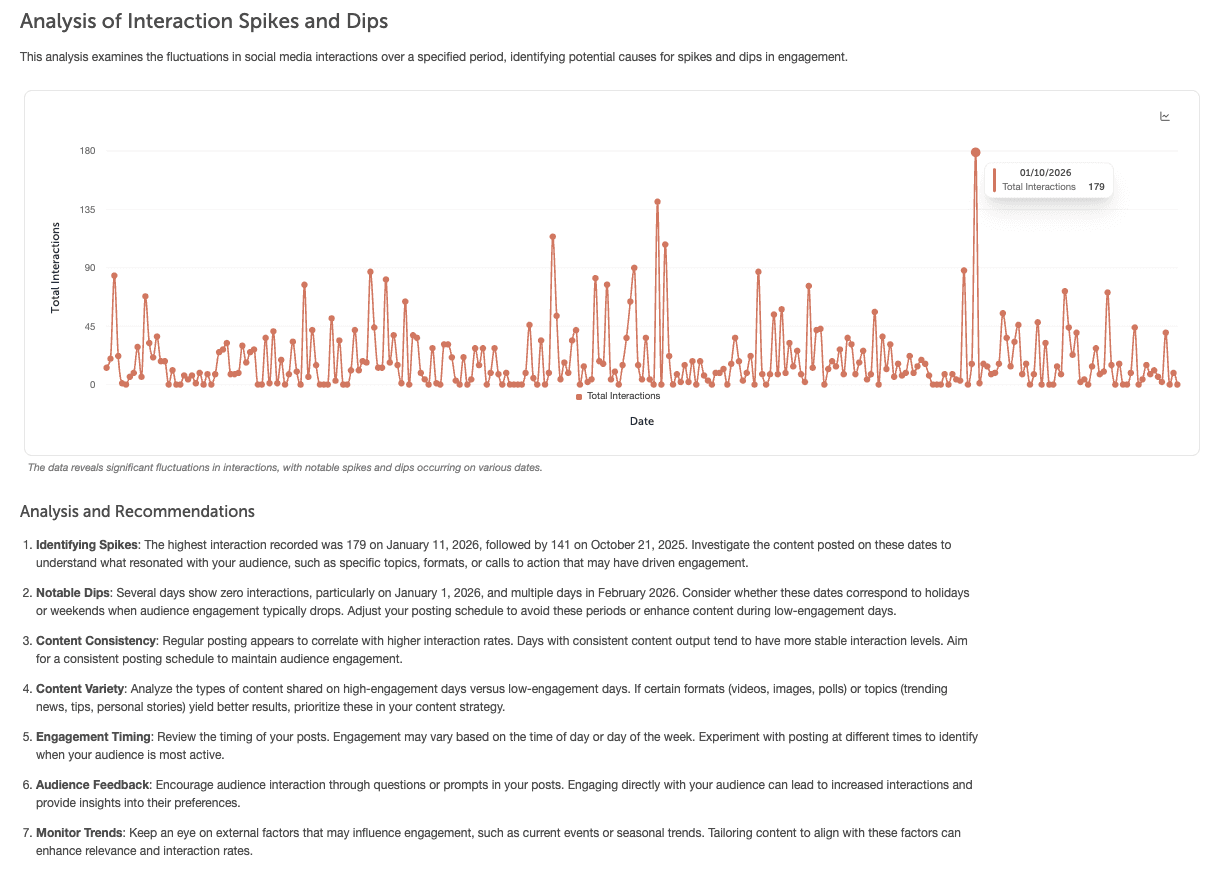
When To Check Organic Traffic (And What To Look For Each Time)
Knowing how to check organic traffic is important. But knowing when to check it and what to look for is what helps marketers make better decisions.
Different timeframes reveal different insights about your SEO performance.
Daily Checks
Daily monitoring helps you quickly spot anomalies or technical issues.
- Sudden drops in organic sessions
- Large traffic spikes
- Indexing or crawl issues affecting pages
- Tracking errors or analytics problems
Daily monitoring helps ensure your site remains healthy and visible in search results.
Weekly Checks
Weekly reviews help identify content performance trends.
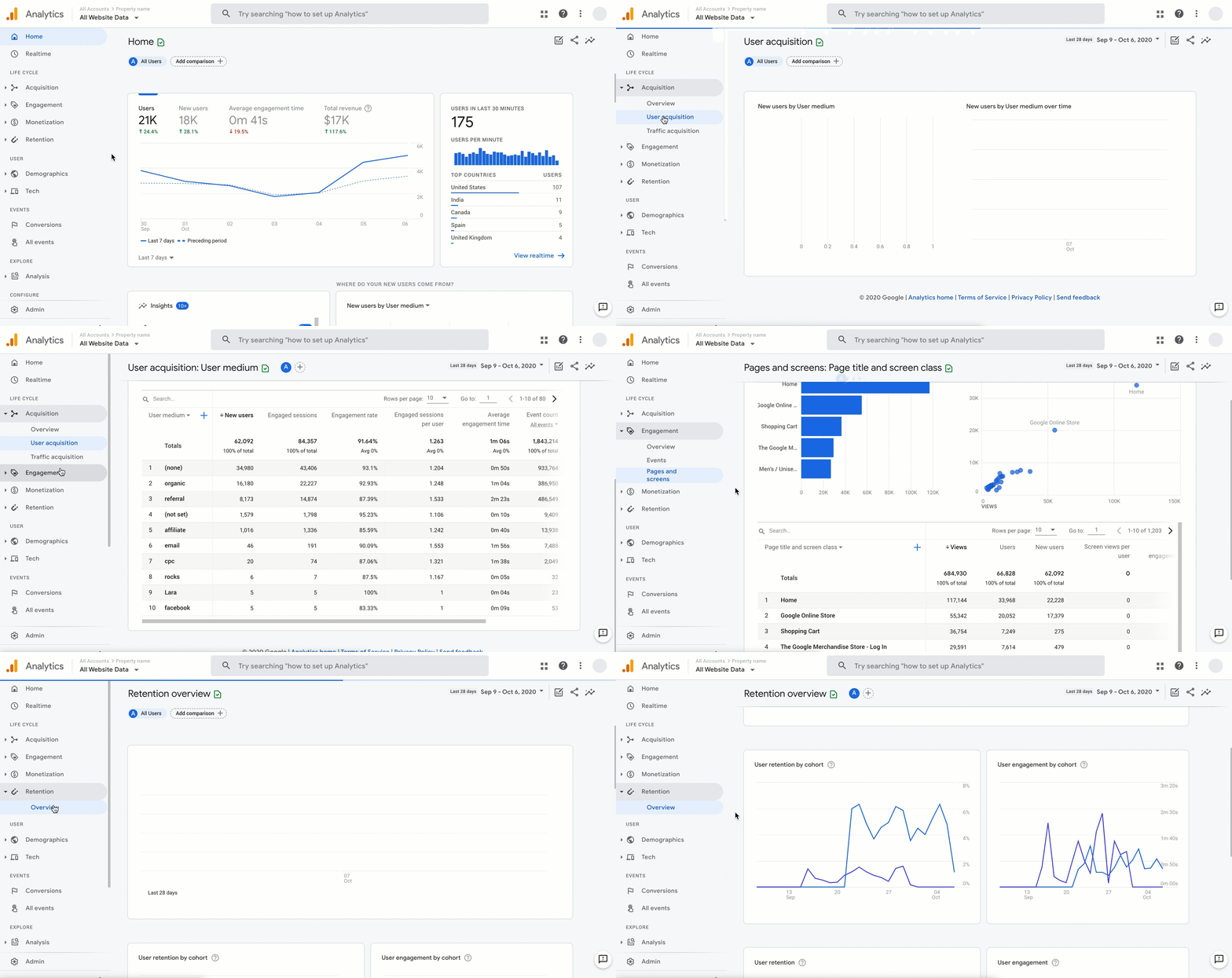
Instead of reacting to daily fluctuations, this timeframe allows marketers to see which articles are gaining traction in search results and which pieces may be slowing down. Weekly checks are also a great time to identify newly published content that is beginning to rank.
These patterns help marketers understand which topics, formats, or keywords are driving the most engagement.
Monthly Checks
Monthly organic traffic reviews are ideal for evaluating SEO performance tracking and reporting results.
During monthly reviews, marketers should focus on the bigger picture:
- Overall organic traffic growth or decline
- Top-performing landing pages from search
- Keyword-driven traffic patterns
- Conversions from organic visitors
- Content that is beginning to lose momentum
Monthly reviews also provide useful insights for campaign reports and marketing performance summaries.
Quarterly Checks
Quarterly analysis focuses on long-term strategy.
At this stage, marketers step back and evaluate whether their content strategy is generating sustainable organic growth. It’s also the best time to identify opportunities to expand successful topics or refresh older content that once performed well.
Quarterly reviews often uncover high-value opportunities that can significantly increase organic website traffic.
Key Metrics To Track With An Organic Traffic Checker
An effective website traffic checker should highlight the metrics that actually influence growth.
Here are the most important data points marketers should monitor.
Organic Sessions And Traffic Trends
Organic sessions show how many visitors arrive at your website through search engines.
Tracking traffic trends over time helps you understand:
- Whether SEO efforts are working
- If content is gaining visibility
- When traffic spikes or drops occur
- Seasonal traffic patterns
- The long-term growth trajectory of your content
Consistent growth signals a strong organic strategy.
Top Landing Pages From Search
Landing page data shows which pieces of content attract the most organic traffic.
These pages often reveal what topics your audience is actively searching for. Marketers can use this information to expand related topics, build supporting articles, or optimize existing content that is already performing well.
In many cases, your top organic landing pages become the foundation for future content clusters and SEO campaigns.
Keyword Driven Content Performance
Organic traffic checkers also reveal which content is driven by search queries.
Understanding keyword-driven performance helps marketers:
- Identify high-value keywords already generating traffic
- Discover related topics worth covering
- See which search queries bring visitors to specific pages
- Identify content gaps where competitors may be ranking
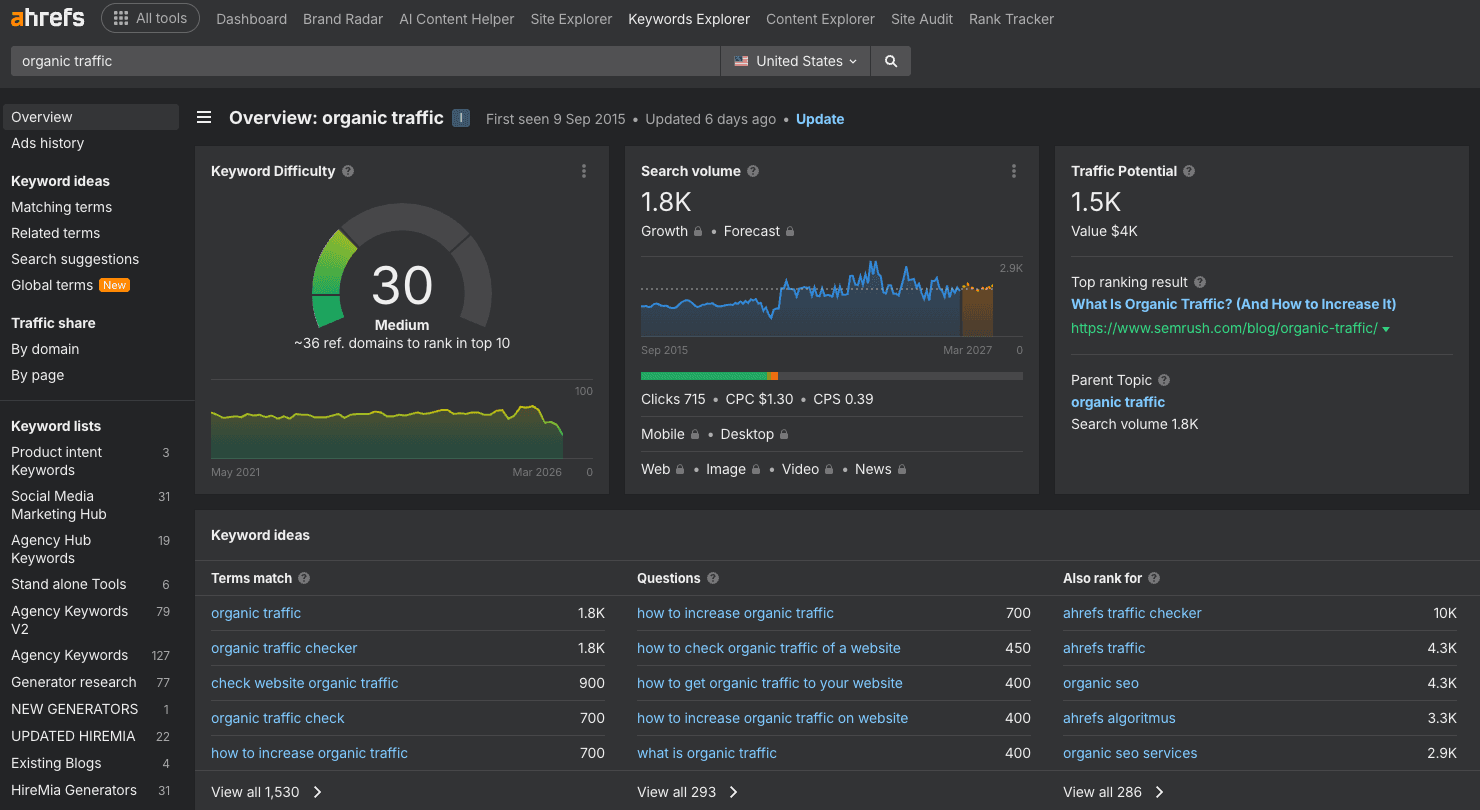
These insights make it easier to prioritize new content ideas that have strong search demand.
Conversions From Organic Traffic
Traffic alone doesn’t guarantee business impact.
To understand the full value of SEO, marketers should track how organic visitors interact with their website after arriving from search. This includes actions like signing up for newsletters, downloading resources, requesting demos, or becoming leads.
When organic traffic converts into measurable business outcomes, it proves the ROI of content marketing and SEO.
Content Decay Versus Content Growth
Over time, some content naturally loses search traffic while other pieces continue gaining visibility.
Monitoring content performance metrics helps marketers identify:
- Pages losing search rankings
- Articles that need updating
- Content that could benefit from expansion
- Pages that are steadily gaining momentum
Refreshing existing content is often one of the fastest ways to increase organic website traffic.
How To Use Organic Traffic Data To Increase Website Traffic
Organic traffic insights become powerful when they influence your marketing strategy.
Here are four practical ways marketers can turn data into growth.
Identify High Performing Content To Scale
Some content naturally attracts strong organic traffic.
When marketers identify top-performing articles, they can expand those themes by creating related posts, adding deeper sections to existing content, or building topic clusters that strengthen overall search authority.
Scaling successful content topics allows teams to maximize the value of what is already working.
Spot Underperforming Pages To Refresh
Pages with declining traffic often have strong potential if they are refreshed.
Common improvements include:
- Updating outdated information
- Improving keyword targeting
- Expanding thin sections
- Improving internal linking
- Adding new visuals or examples
Strategic updates often restore lost search traffic.
Align SEO Insights With Content Planning
Organic traffic data should directly inform editorial planning.
Instead of guessing what topics might perform well, marketers can analyze which content is already attracting search traffic and build their content roadmap around those insights.
This approach allows teams to focus on content that is most likely to increase organic website traffic.
Turn Insights Into Repeatable Workflows
Many marketing teams struggle because SEO insights remain isolated within analytics dashboards.
The most effective teams build repeatable workflows that connect analytics, content planning, and campaign execution. When traffic insights feed directly into content calendars and campaign planning, teams can consistently act on SEO opportunities rather than simply observing them.
The Problem With Most Organic Traffic Checker Tools
Many SEO analytics tools provide valuable data, but marketers often struggle to turn that information into meaningful action.
Several common problems limit the usefulness of traditional organic traffic checkers.
Data Lives In Silos
Traffic analytics, keyword research tools, and content planning platforms often exist separately.
This forces marketers to switch between multiple platforms to understand what’s happening.
Metrics Without Context
Many analytics dashboards show numbers without explaining what they mean.
Marketers see traffic data but still need to determine:
- Why performance changed
- Which content caused the change
- What actions should follow
No Clear Path From Insight To Action
Even when marketers identify opportunities, the next step isn’t always clear.
For teams managing multiple campaigns, translating analytics insights into execution can become slow and inconsistent.
How CoSchedule Helps You Turn Organic Traffic Insights Into Action
CoSchedule helps marketing teams turn organic traffic insights into organized marketing execution.
Rather than functioning as a standalone analytics platform, CoSchedule is designed to help teams plan, schedule, and execute the marketing work that drives organic growth. Marketers can use insights from analytics tools and connect them directly to the workflows where content actually gets created and published.
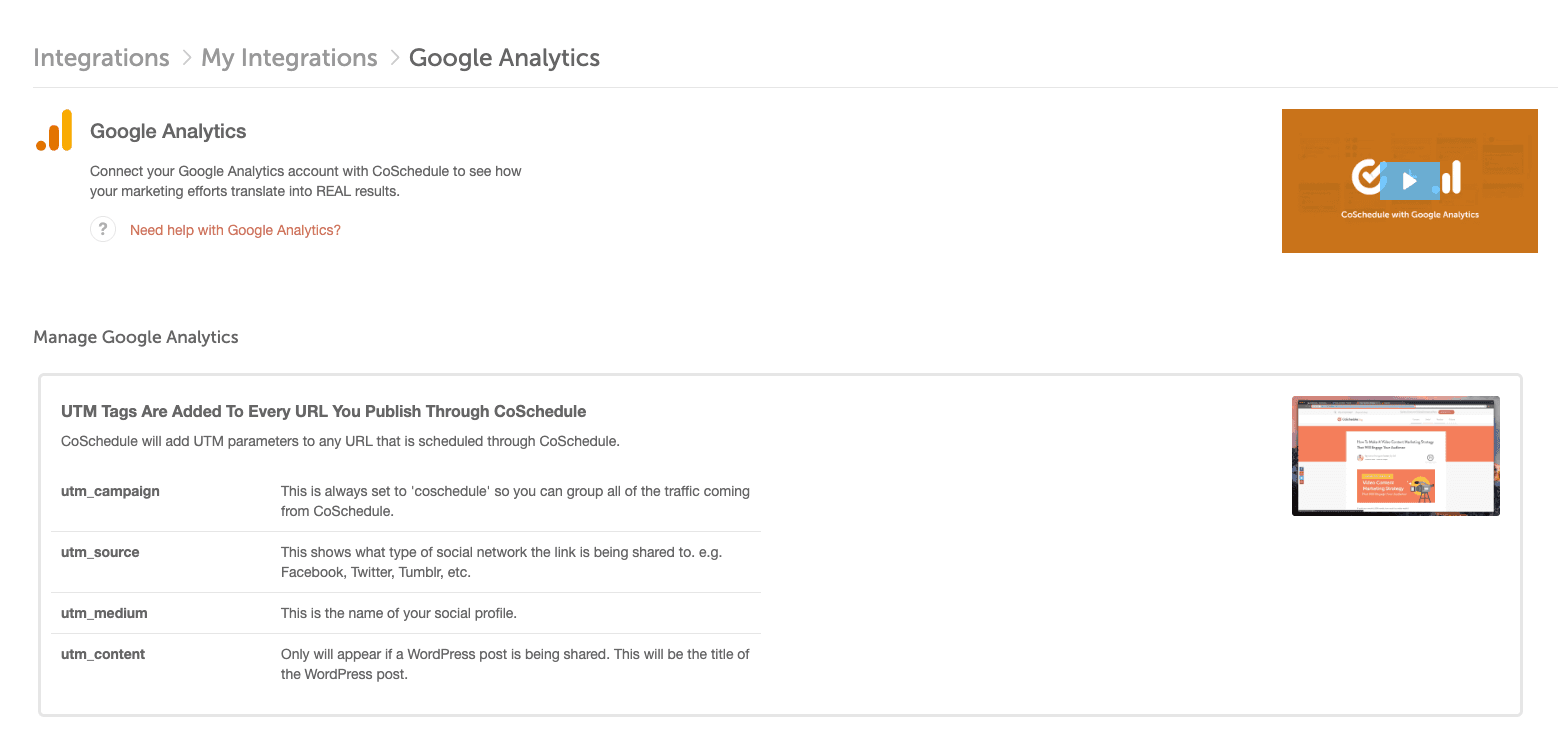
For example, teams often analyze organic traffic using platforms like Google Analytics and then use those insights to guide what content they should create next. CoSchedule helps bridge that gap by giving teams a structured system to plan and execute those ideas.
Marketing teams can connect organic insights directly to:
- Their content calendar
- Campaign planning workflows
- Team task management
This allows marketers to view key traffic data alongside their scheduled marketing work. Making it easier to see which published content is contributing to organic growth and plan future campaigns accordingly.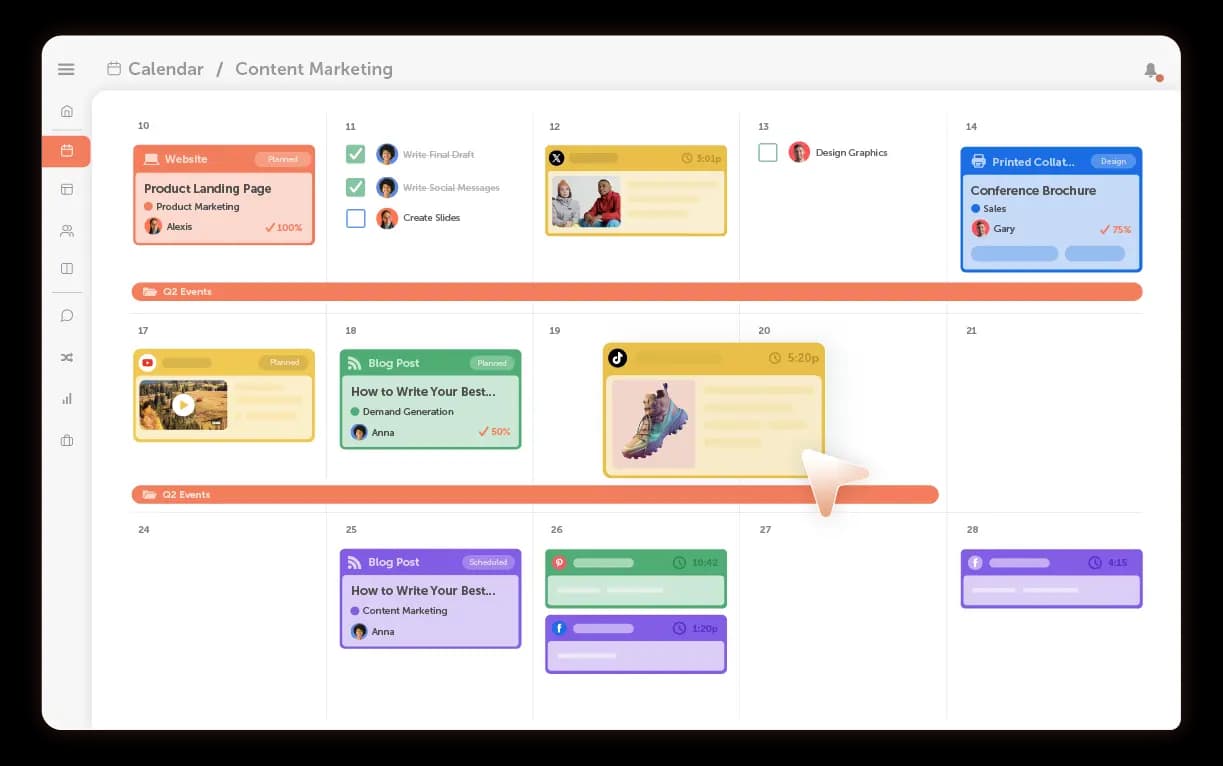
Many teams analyze traffic using tools like Google Analytics or SEO platforms, then manage the actual content planning and publishing process separately. Platforms like CoSchedule help organize that work by giving marketing teams a centralized place to plan campaigns, schedule content, and coordinate the tasks required to execute on those insights.
When traffic analysis informs your content planning process, organic search becomes more than a reporting metric. It becomes a repeatable system for creating content that consistently attracts new visitors over time.