
If you’ve been using Buffer for years, you’re probably asking the same question a lot of marketers are asking in 2026:
“Why does social scheduling suddenly feel so expensive?”
Buffer built its reputation on simplicity. It became one of the easiest tools for scheduling social posts, managing queues, and publishing content consistently across platforms. But as teams grow, workflows become more complicated, and pricing scales up, many marketers start looking for something that offers more visibility and organization for the money.
That’s where CoSchedule stands out.
CoSchedule delivers the scheduling functionality marketers expect from Buffer while adding marketing calendar visibility, campaign organization, approvals, task management, and collaboration features that help teams stay aligned. Instead of juggling multiple tools for planning, scheduling, and execution, CoSchedule brings everything into one organized workspace.
If your team needs an easy social media scheduler with stronger marketing organization and scalable collaboration tools, this comparison breaks down exactly how CoSchedule and Buffer stack up in 2026.
See The Full CoSchedule Vs. Buffer Comparison
CoSchedule Vs. Buffer At A Glance
Both CoSchedule and Buffer help marketers schedule and publish social media content. The biggest difference comes down to how much visibility, planning, and organization your team needs.
Buffer focuses primarily on simple social scheduling. It’s designed for users who want a lightweight publishing tool with minimal complexity.
CoSchedule combines social scheduling with marketing calendar management, task organization, campaign planning, approvals, and team workflows. It’s built for marketers who want publishing tools alongside a centralized marketing system.
Here’s the quick breakdown:
CoSchedule vs Buffer At A Glance
| Feature |  |  |
|---|---|---|
| Ease of Use | Simple visual calendar interface | Very beginner friendly |
| Social Scheduling | Yes | Yes |
| Marketing Calendar | Advanced unified calendar | Limited |
| Team Collaboration | Strong workflow tools | Basic collaboration |
| Task Management | Included | Minimal |
| Approvals | Built in | Limited |
| Best For | Growing teams and agencies | Solo creators and small teams |
| Scalability | Strong for growing organizations | Can get expensive as users grow |
| Publishing Visibility | Full campaign visibility | Post-by-post visibility |
CoSchedule Vs. Buffer Plans And Pricing
Pricing is one of the biggest reasons marketers start searching for Buffer alternatives.
While Buffer appears affordable at first, costs can rise quickly as you add users, channels, and advanced features. CoSchedule takes a different approach by combining scheduling and marketing organization into one platform designed to scale more efficiently for teams.
CoSchedule Pricing
CoSchedule Marketing Suite Pricing offers several plans designed for marketers, teams, and agencies.

Highlights include:
- Social scheduling and publishing
- Unified marketing calendar
- Team workflows and approvals
- Campaign organization
- AI assistance
- Content planning tools
- Collaboration features
CoSchedule is particularly valuable for growing marketing teams because the platform combines publishing and organization capabilities that often require multiple separate tools elsewhere.
Buffer Pricing
Buffer Pricing still offers a free plan, which works well for individuals or casual creators.
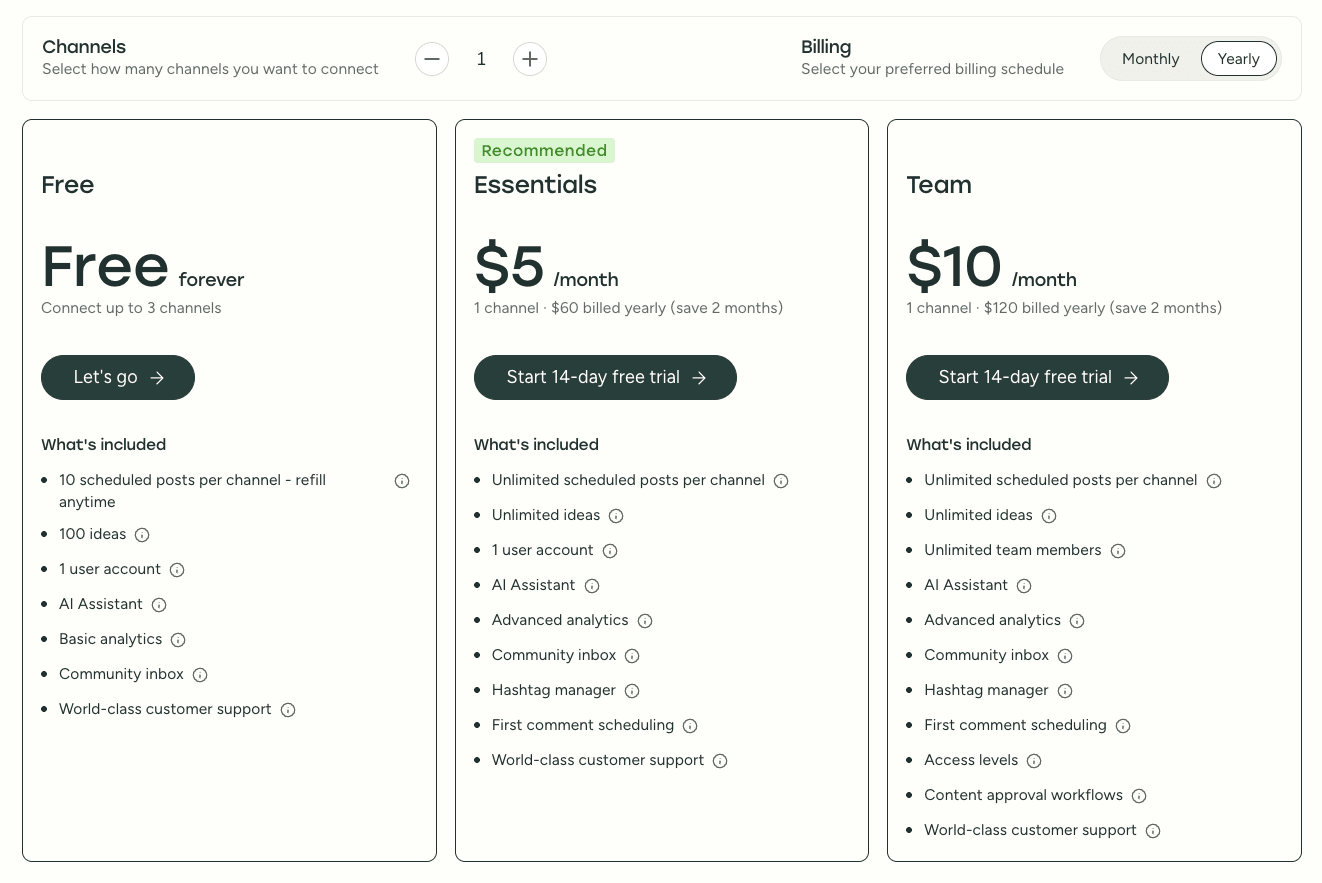
However, pricing can increase significantly when teams need:
- Multiple users
- More social channels
- Advanced analytics
- Collaboration permissions
- Approval workflows
For businesses scaling social media operations, Buffer’s per-channel and per-user structure can become difficult to justify compared to platforms that bundle broader marketing functionality together.
Free Trials
Both platforms offer ways to test the software before committing.
CoSchedule provides free trial access to premium functionality so teams can explore publishing, calendars, workflows, and campaign organization.
Buffer also offers free access with limited publishing capabilities and upgrade options for more advanced needs.
CoSchedule Vs. Buffer Feature Review
Both tools cover the core basics of social media scheduling. The differences become more noticeable when teams need organization, visibility, approvals, and workflow management.
Marketing Calendar Visibility

This is where CoSchedule separates itself from Buffer.
CoSchedule gives teams a centralized marketing calendar that displays social posts, campaigns, blog content, emails, and marketing initiatives together in one visual timeline.
Instead of viewing isolated posts, marketers can see how every campaign fits into the larger strategy.
Buffer focuses primarily on social publishing queues and post scheduling. While simple to use, it lacks the deeper campaign-level visibility many growing teams need.
Best for calendar visibility:
- CoSchedule
Team Collaboration
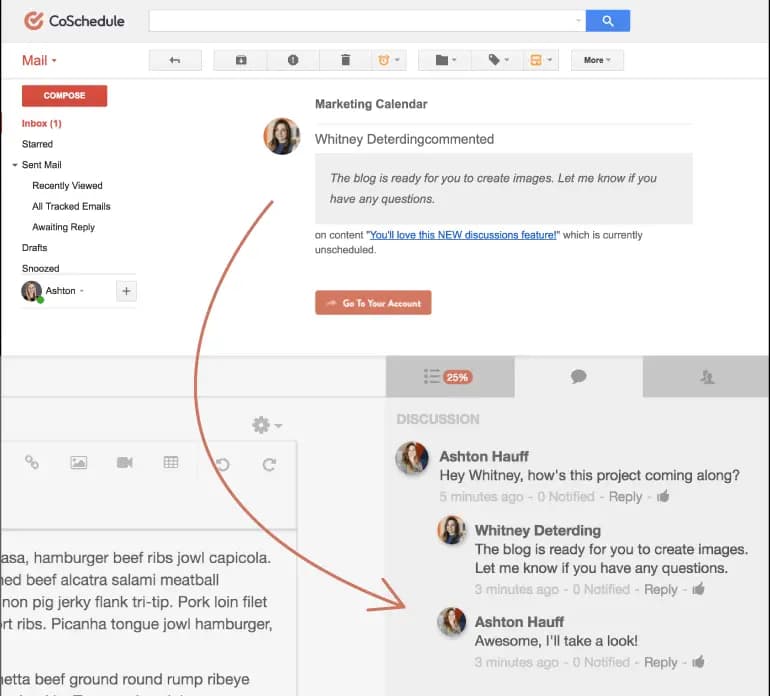
CoSchedule includes stronger collaboration tools for teams and agencies.
Features include:
- Task assignments
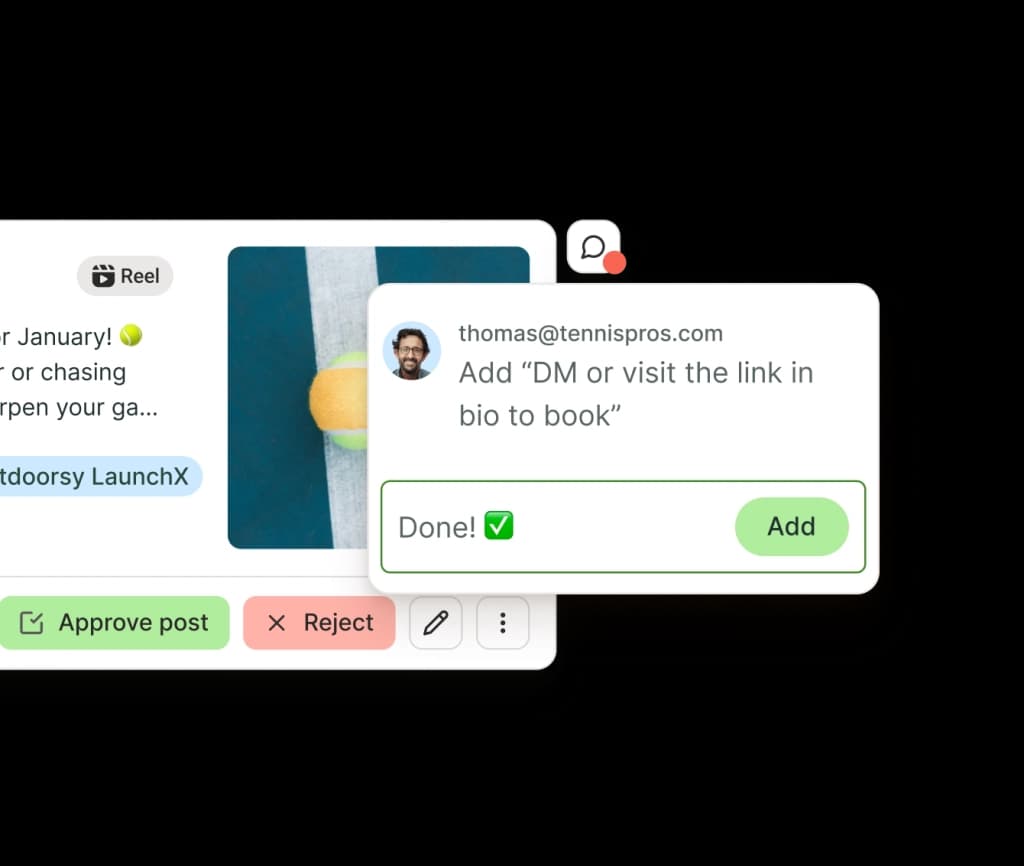
- Approval workflows
- Shared calendars
- Internal commenting
- Campaign organization
- Workflow visibility
Buffer offers collaboration features, but they are more limited and geared toward lightweight publishing rather than full marketing coordination.
Best for collaboration:
- CoSchedule
Ease Of Publishing
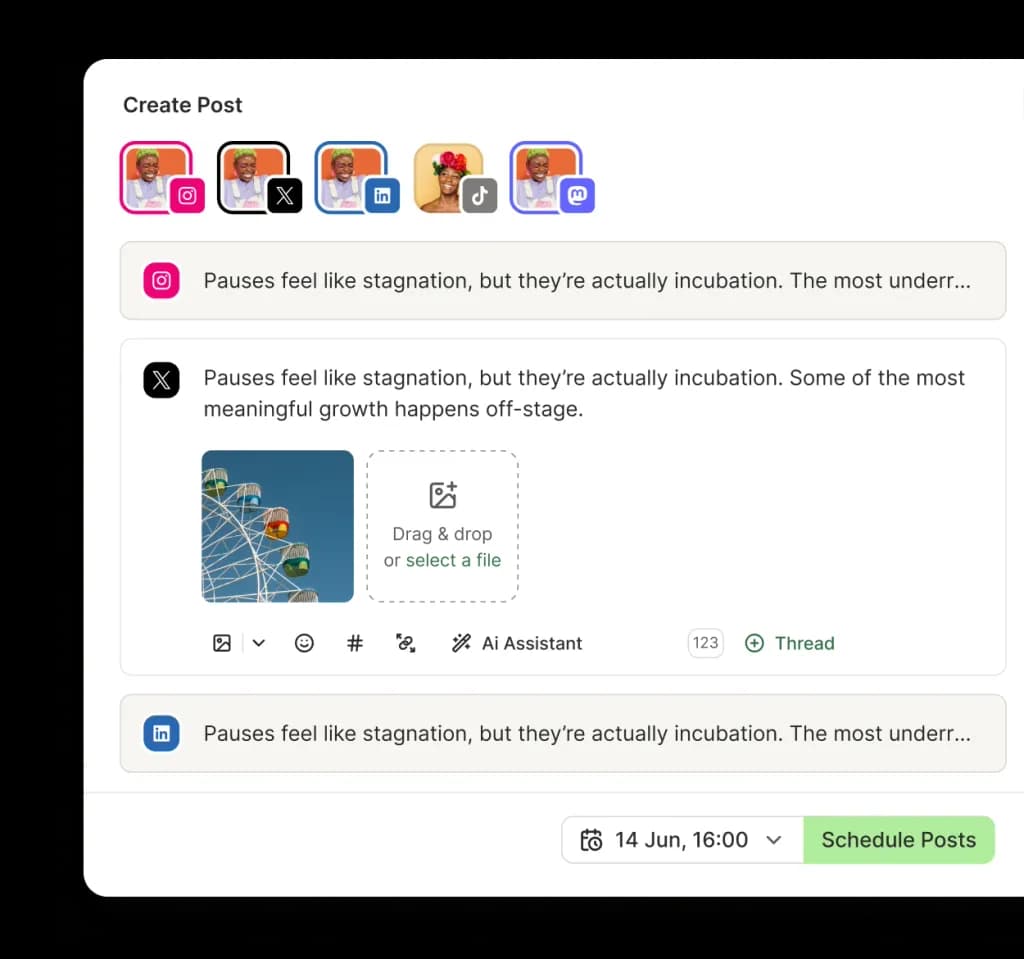
Buffer remains one of the easiest tools for quickly scheduling social posts.
Its interface is clean, minimal, and beginner friendly.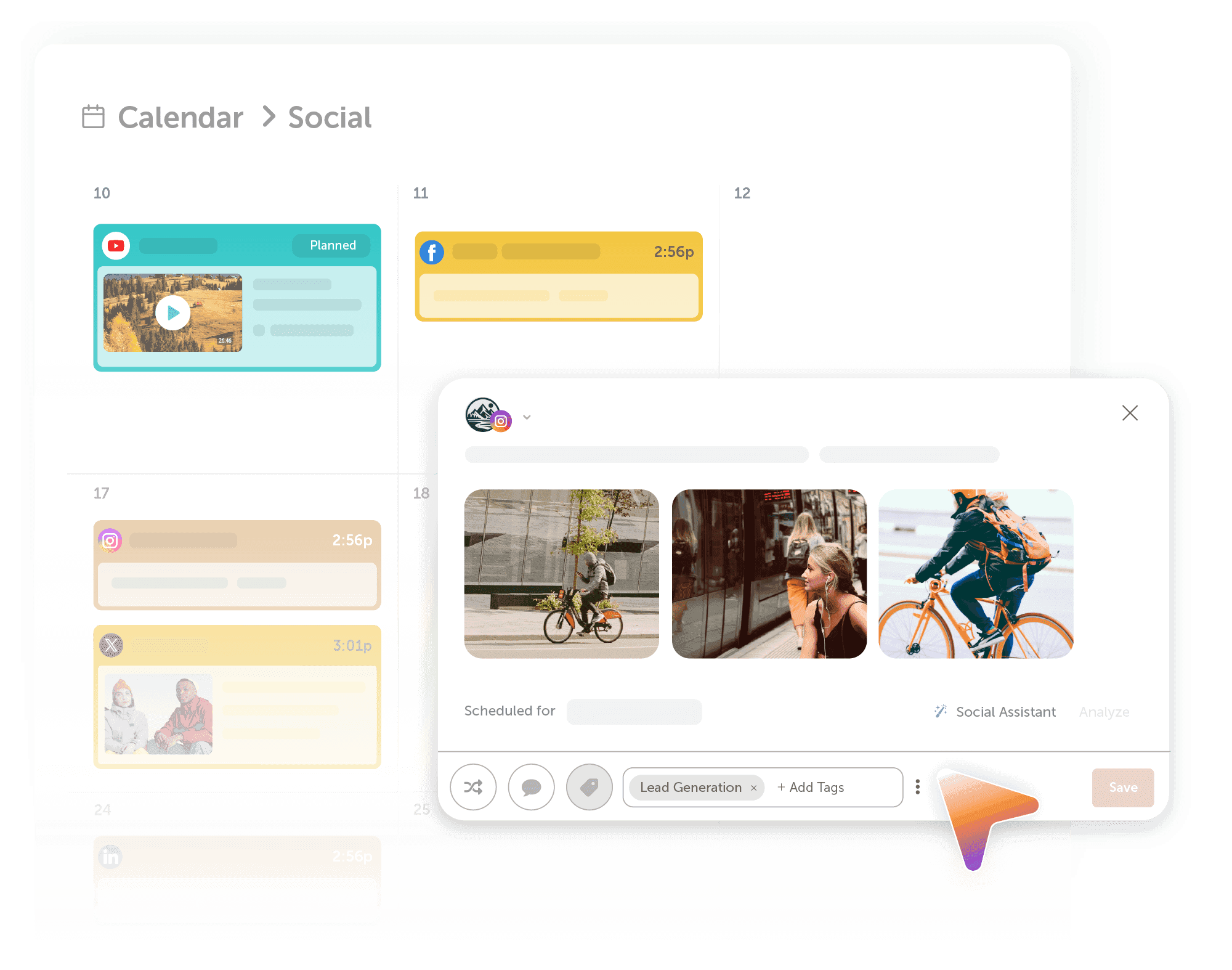
CoSchedule also provides easy publishing workflows but adds more planning and organizational functionality around the publishing experience.
If simplicity alone is the priority, Buffer has an advantage. If marketers want simplicity plus organization, CoSchedule becomes more compelling.
Best for simple publishing:
- Buffer
Best for organized publishing:
- CoSchedule
Social Platform Support
Both platforms support all major networks including:
- Twitter/X
- YouTube
- TikTok
- Threads
- Google My Business
- YouTube Shorts
- Bluesky
- Mastodon
Approvals And Workflows
Approval workflows matter more as teams grow.
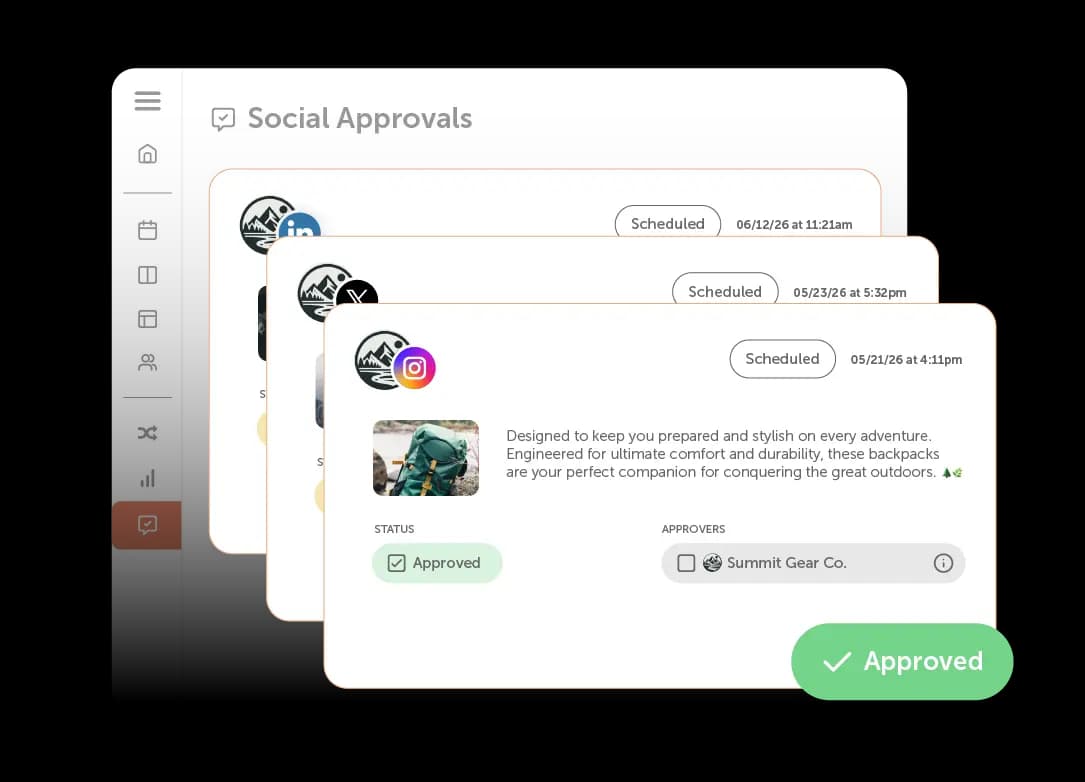
CoSchedule includes stronger built-in workflow management tools that help agencies and marketing departments maintain publishing consistency.
Buffer’s workflow capabilities are more lightweight.
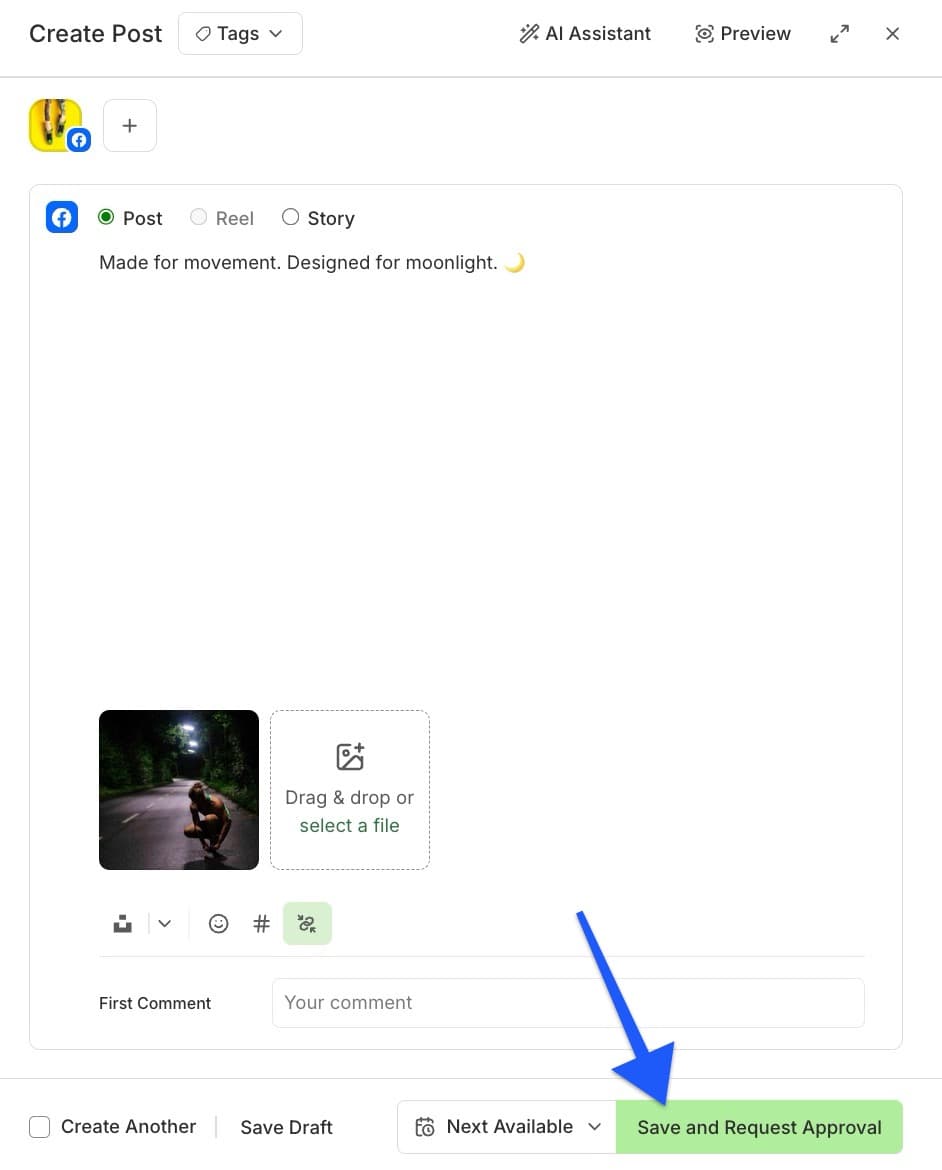
Best for approvals and workflows:
- CoSchedule
Analytics

Buffer offers social analytics tools designed around engagement and performance tracking.
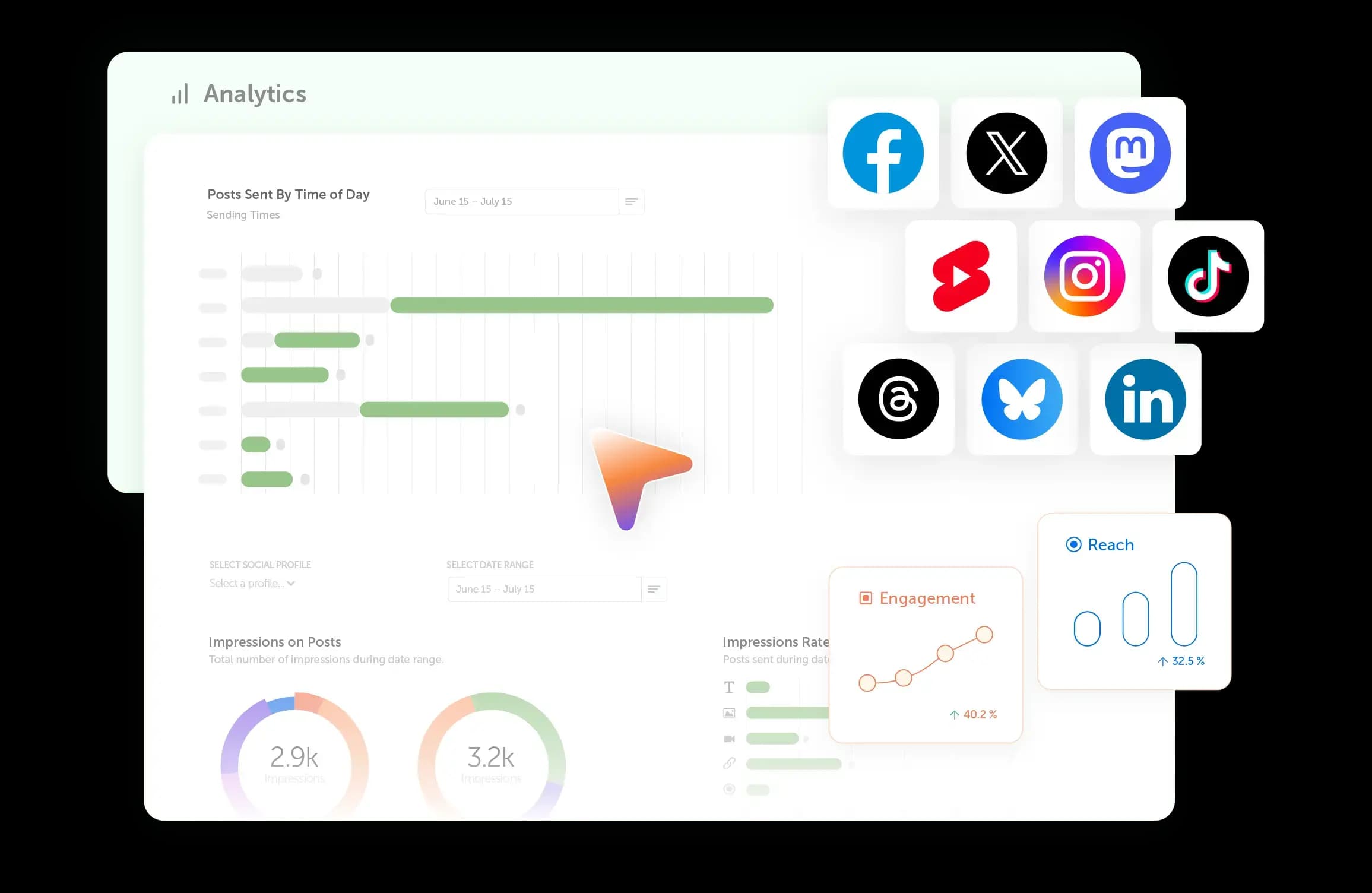
CoSchedule focuses more heavily on planning, organization, and scheduling visibility while still providing performance insights.
For advanced reporting-focused teams, Buffer may offer slightly stronger analytics capabilities depending on the use case.
Best for analytics-heavy users:
- Buffer
Feature By Feature Comparison Chart
CoSchedule vs Buffer At A Glance
| Feature | | |
|---|---|---|
| Social Scheduling | Yes | Yes |
| Visual Marketing Calendar | Yes | Limited |
| Campaign Planning | Yes | No |
| Approval Workflows | Yes | Basic |
| Team Collaboration | Advanced | Moderate |
| Task Management | Yes | No |
| Content Organization | Strong | Basic |
| Publishing Queue | Yes | Yes |
| AI Assistance | Yes | Yes |
| Analytics | Good | Strong |
| Ease of Use | Easy | Very Easy |
| Best For Agencies | Yes | Moderate |
| Best For Solo Creators | Moderate | Yes |
| Multi-Channel Visibility | Strong | Moderate |
CoSchedule Vs. Buffer Integrations
Both platforms integrate with major social media networks and marketing tools.
CoSchedule Integrations include connections for:
- WordPress
- HubSpot
- Google tools
- Social platforms
- Marketing workflows
Buffer Integrations also supports a variety of integrations focused on publishing and content workflows.
The difference is less about the number of integrations and more about how the platforms organize work internally.
CoSchedule emphasizes centralized marketing visibility. Buffer emphasizes lightweight publishing workflows.
CoSchedule Vs. Buffer Customer Service
Customer support matters when marketing teams rely on publishing schedules every day.
Both platforms offer help documentation and support resources.
CoSchedule is often praised for onboarding support and helping teams build organized marketing processes.
Buffer maintains a strong reputation for responsiveness and simplicity.
Smaller teams may appreciate Buffer’s straightforward approach, while growing organizations may benefit more from CoSchedule’s workflow guidance and strategic organization tools.
CoSchedule Vs. Buffer Publishing Consistency
Consistency is one of the hardest parts of social media marketing.
Buffer helps users maintain consistent posting schedules through queues and automation.
CoSchedule goes further by connecting publishing to larger marketing campaigns and calendars. This gives teams visibility into:
- What’s publishing
- When campaigns launch
- Who owns tasks
- Which channels are active
- Where approvals stand
That additional visibility helps larger teams maintain consistency without relying on scattered spreadsheets or disconnected tools.
CoSchedule Vs. Buffer: The Verdict
Choosing between CoSchedule and Buffer depends on what your team actually needs from a social media management platform.
If your goal is simple scheduling with minimal setup, Buffer still works well.
But if your team needs stronger organization, campaign visibility, collaboration tools, and scalable workflows without jumping between multiple platforms, CoSchedule offers significantly more operational value.
CoSchedule Is Best For
- Growing marketing teams
- Agencies managing multiple clients
- Teams needing approval workflows
- Marketers who want campaign visibility
- Businesses replacing spreadsheets and disconnected planning tools
- Teams wanting scheduling plus organization in one platform
- Companies looking for affordable social media management tools for teams
Buffer Is Best For
- Solo creators
- Freelancers
- Simple publishing needs
- Users who prioritize minimal interfaces
- Teams focused mostly on basic scheduling
See The Full CoSchedule Vs. Buffer Comparison
Frequently Asked Questions
Is CoSchedule Good For Social?
Yes. CoSchedule Social Media Management Tools combines social scheduling with marketing calendar organization, campaign planning, approvals, and collaboration features. It works especially well for growing marketing teams and agencies that need visibility across multiple campaigns and channels.
Is Buffer Worth The Price?
For individuals and small creators, Buffer can still provide good value. However, many growing teams find that costs increase quickly as they add users, channels, and collaboration needs. That’s why many businesses begin exploring Buffer competitors comparison charts and affordable alternatives.
Is There A Good Alternative To Buffer?
Yes. CoSchedule Marketing Calendar is one of the best Buffer alternatives for small businesses and marketing teams because it combines social scheduling with marketing organization, campaign planning, and workflow management in one platform.
What Makes CoSchedule Different From Buffer?
The biggest difference is visibility and organization. Buffer focuses primarily on publishing social posts, while CoSchedule helps teams organize entire marketing campaigns with calendars, tasks, workflows, and collaboration tools.
Which Tool Is Better For Agencies?
CoSchedule is generally better for agencies because it includes stronger workflow management, approvals, task organization, and marketing calendar visibility for managing multiple clients and campaigns.
Does Buffer Have Better Analytics Than CoSchedule?
Buffer may offer stronger social-specific analytics for some users. CoSchedule focuses more heavily on scheduling, organization, collaboration, and campaign visibility while still providing reporting functionality.