
Website traffic is under more scrutiny than ever as AI changes how people discover content through search. Marketers are paying close attention to how traffic is earned, measured, and sustained in this new environment.
Recent CoSchedule research found that 89% of marketers say they are optimizing for AI search or plan to do so this year. That shift has brought renewed focus to website traffic as a core performance signal rather than a vanity metric.
Website traffic remains a leading indicator of brand awareness, demand, and pipeline. When traffic trends rise or fall, marketers often see downstream effects on leads, conversions, and revenue. Even as AI tools influence discovery, owned website traffic continues to reflect how visible and trusted a brand is across channels.
The Challenge: Plenty Of Content, But Not Enough Meaningful Traffic
Many teams publish consistently but still struggle to generate meaningful website traffic. Blog posts go live, campaigns launch, and reports fill up dashboards. Yet traffic fails to grow or attracts visitors who never convert.
The issue is rarely effort. It is usually a lack of structure around what content is created, how it is promoted, and how performance is evaluated over time.
What marketers and agencies need to grow website traffic sustainably:
- Clear website traffic metrics that align with business goals
- Repeatable traffic generation strategies
- A system to plan, execute, and optimize content
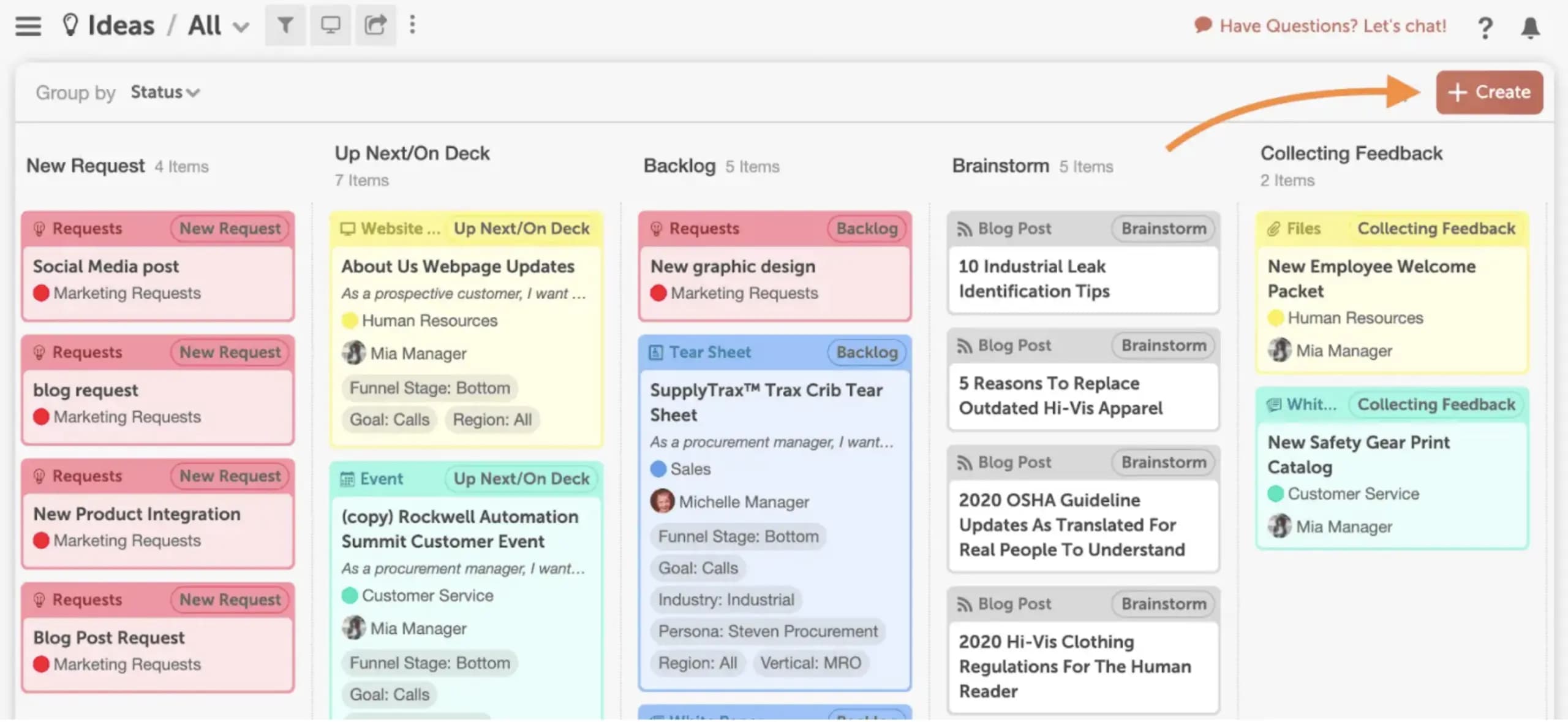
Structured content planning solves these challenges by connecting traffic goals to execution. With tools like CoSchedule, marketers can plan traffic-driving content, coordinate promotion, and use performance insights to guide future work.
All About Website Traffic: What You Need To Know
Website traffic metrics monitor the number of users who visit a website and interact with its pages. Traffic comes from multiple sources, each playing a different role in content marketing and growth.
Common website traffic sources:
- Organic website traffic is visitors who arrive through unpaid search results. Organic traffic is closely tied to SEO, content quality, and publishing consistency.
- Paid traffic is visitor-driven by paid campaigns such as search ads or social ads. Paid traffic can generate short-term results, but often stops when spending stops.
- Referral and social traffic are visitors who arrive from other websites, social media platforms, or shared links. This traffic reflects promotion, partnerships, and brand reach.
Why Is Website Traffic Foundational To Marketing?
Website traffic supports:
- Lead generation by bringing qualified audiences into owned channels
- SEO performance by signaling relevance and authority
- Content marketing ROI by showing which efforts drive attention
More Traffic Vs Better Traffic
Not all website traffic is equal. High traffic volume without engagement often signals misalignment. Better traffic comes from audiences who stay longer, explore more pages, and take meaningful actions.
Website Traffic Metrics Every Marketer Should Track
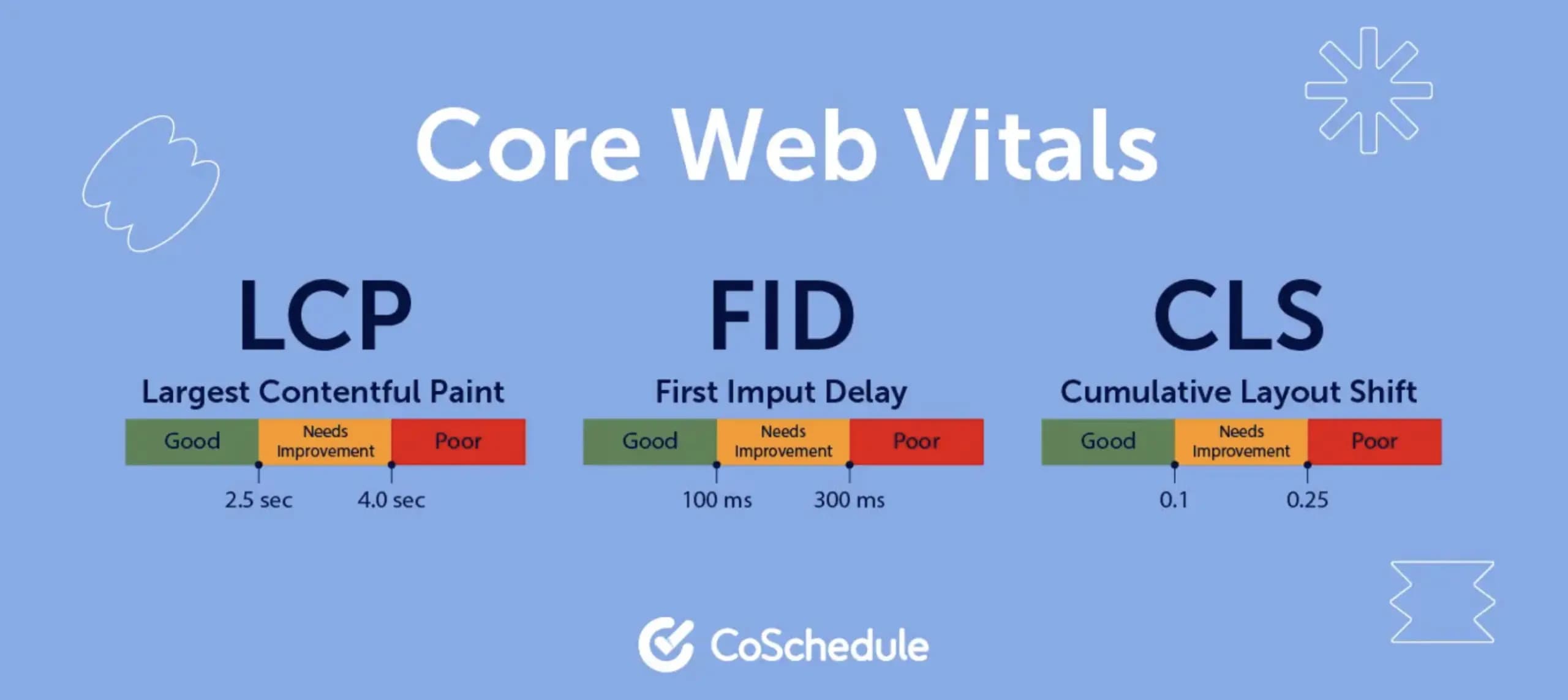
Measuring website traffic starts with understanding which metrics actually reflect progress toward your marketing goals. Traffic numbers on their own do not explain performance. What matters is how visitors arrive, what they do once they land, and whether that behavior supports brand awareness, lead generation, or conversions. When marketers connect website traffic metrics to specific objectives, those metrics become signals for what to improve, where to invest, and which content decisions drive meaningful results.
Core Website Traffic Metrics Explained
Users show the number of unique visitors, while sessions count total visits. Both are useful for understanding reach and repeat engagement. Pageviews indicate how often content is viewed and help identify high-interest pages.
Breaking traffic down by source reveals which channels drive results and where effort is best invested. Engagement metrics, such as bounce rate and time on page, show whether visitors find content useful and relevant.
Content-specific metrics track performance at the page and format level, highlighting which topics and updates work best over time. Without a strategy, metrics can create noise, offering data without actionable insight.
The key is aligning metrics with marketing goals. Whether you are focused on brand awareness, lead generation, or conversions, choosing the right metrics ensures website traffic informs decisions rather than just filling dashboards.
Website Traffic Analysis: Turning Data Into Decisions
Website traffic analysis goes beyond reporting numbers in a dashboard. For marketers, it is the process of using traffic data to understand how audiences discover content, which topics earn attention over time, and where opportunities for growth exist. When analysis is done well, traffic insights guide real decisions about what to publish, what to update, and how content should be promoted.
To turn traffic data into action, marketers should focus on a few core areas:
- Analyze trends over time
- Short-term spikes can be misleading. Long-term trends reveal whether strategies are working and where momentum is building.
- Identify top-performing content
- Traffic analysis highlights which pages drive consistent visits and which channels amplify results.
- Find gaps and underperforming pages
- Reviewing traffic helps uncover outdated content, missed topics, and pages that no longer meet audience needs.
- Use analysis to inform priorities
- Traffic insights should guide editorial decisions rather than sit unused in dashboards. Analysis helps teams prioritize topics and formats that support growth.
- Connect insights to your editorial plan
- Traffic data is most valuable when it directly influences what gets published next. Editorial planning ensures insights lead to action.
Traffic Generation Strategies That Work For Marketers
Growing website traffic requires more than publishing content and hoping it gets discovered. Effective traffic generation strategies are built on repeatable processes that combine search visibility, audience relevance, and consistent promotion. For marketers, the goal is not short-term spikes but sustainable growth that compounds over time. The following strategies focus on how content is planned, created, and distributed to support ongoing traffic performance.
Organic Website Traffic Strategies
Organic website traffic plays a central role in long-term content marketing success. Unlike paid channels, organic traffic grows through relevance, authority, and consistency. These strategies help marketers align content with search behavior while strengthening visibility across related topics.
-
- SEO-driven content planning
Planning content around search demand and user intent ensures topics match what audiences are actively searching for. - Topic clustering and internal linking
Grouping related content and linking strategically strengthens visibility and helps search engines understand how pages connect.
- SEO-driven content planning
- Publishing consistency
Consistent publishing signals freshness and authority, allowing traffic gains to compound over time.
Content Marketing Traffic Strategies
While organic discovery is critical, content marketing traffic depends on how well content resonates with its audience. High-performing content attracts repeat visitors, supports brand trust, and aligns with real needs throughout the buyer journey. These strategies help ensure traffic supports both engagement and outcomes.
- High-value, audience-first content that solves meaningful problems earns attention and builds long-term trust.
- Updating and repurposing existing content often delivers faster results than producing new assets.
- Aligning content with buyer journey stages: matching content to awareness, consideration, and conversion helps traffic support business goals.
Promotion And Distribution Strategies
Publishing content is only part of the equation. Promotion ensures content continues to reach audiences after it goes live. Distribution strategies help extend reach, reinforce messaging, and bring audiences back to owned channels.
- Planned social sharing increases reach and keeps content visible over time.
- Email brings known audiences back to content and supports repeat visits.
- Aligning marketing, sales, and partners increases exposure across channels.
The Role Of Content Planning In Increasing Website Traffic
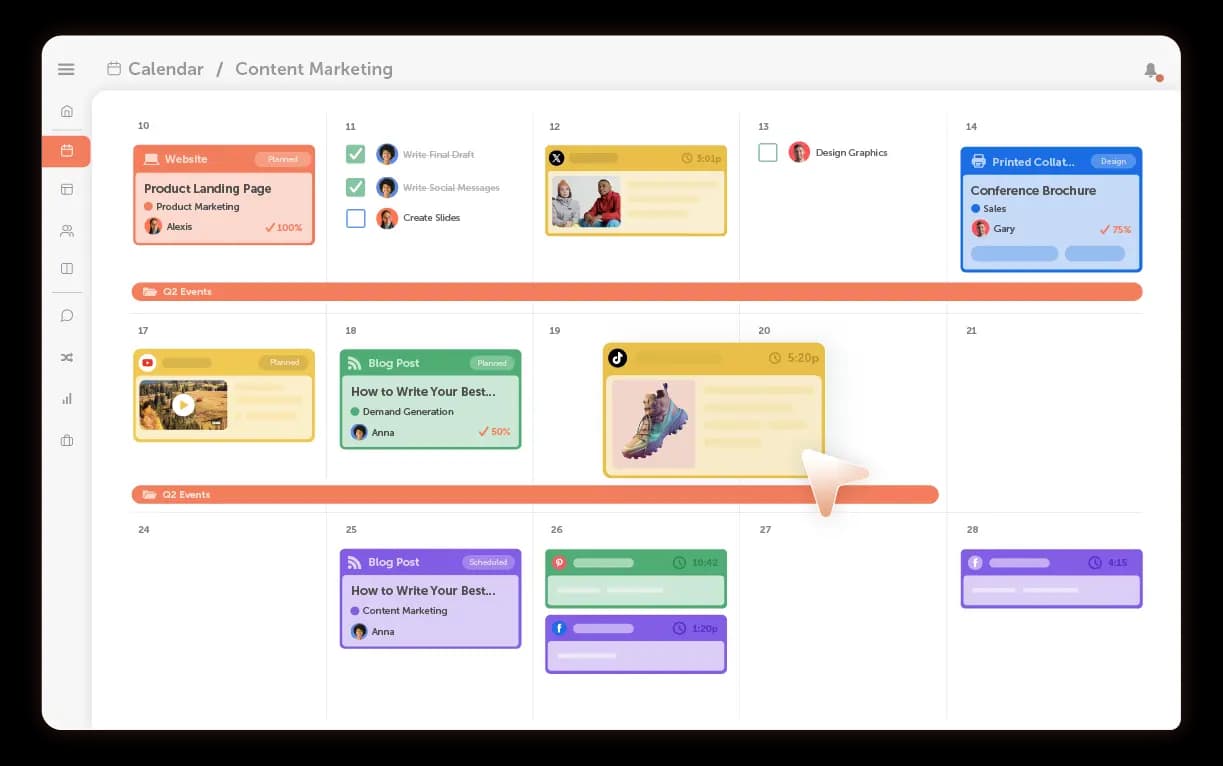
Sustainable website traffic growth depends on structure. Without a plan, even strong content struggles to perform consistently. Content planning provides the framework needed to align strategy, execution, and timing so traffic growth compounds rather than resets with every campaign.
-
- Why ad hoc content does not scale website traffic
- When content is created reactively, publishing becomes inconsistent, and topics lack continuity. This makes it difficult for search engines and audiences to recognize authority, limiting long-term traffic growth.
- How consistent publishing improves organic visibility
- Planned publishing creates steady momentum. Regular output around related topics strengthens topical authority, improves discoverability, and increases the likelihood of sustained organic website traffic.
- The need for visibility into what is publishing, when, and why
- Visibility ensures content supports clear goals rather than filling gaps. When teams understand priorities and timing, content is more likely to align with traffic objectives.
- Common challenges without a centralized content system
- Why ad hoc content does not scale website traffic
- Without a system to manage planning, teams face missed deadlines, duplicated efforts, and unclear ownership. These issues break consistency and slow website traffic growth.
How CoSchedule Helps Marketers Increase Website Traffic
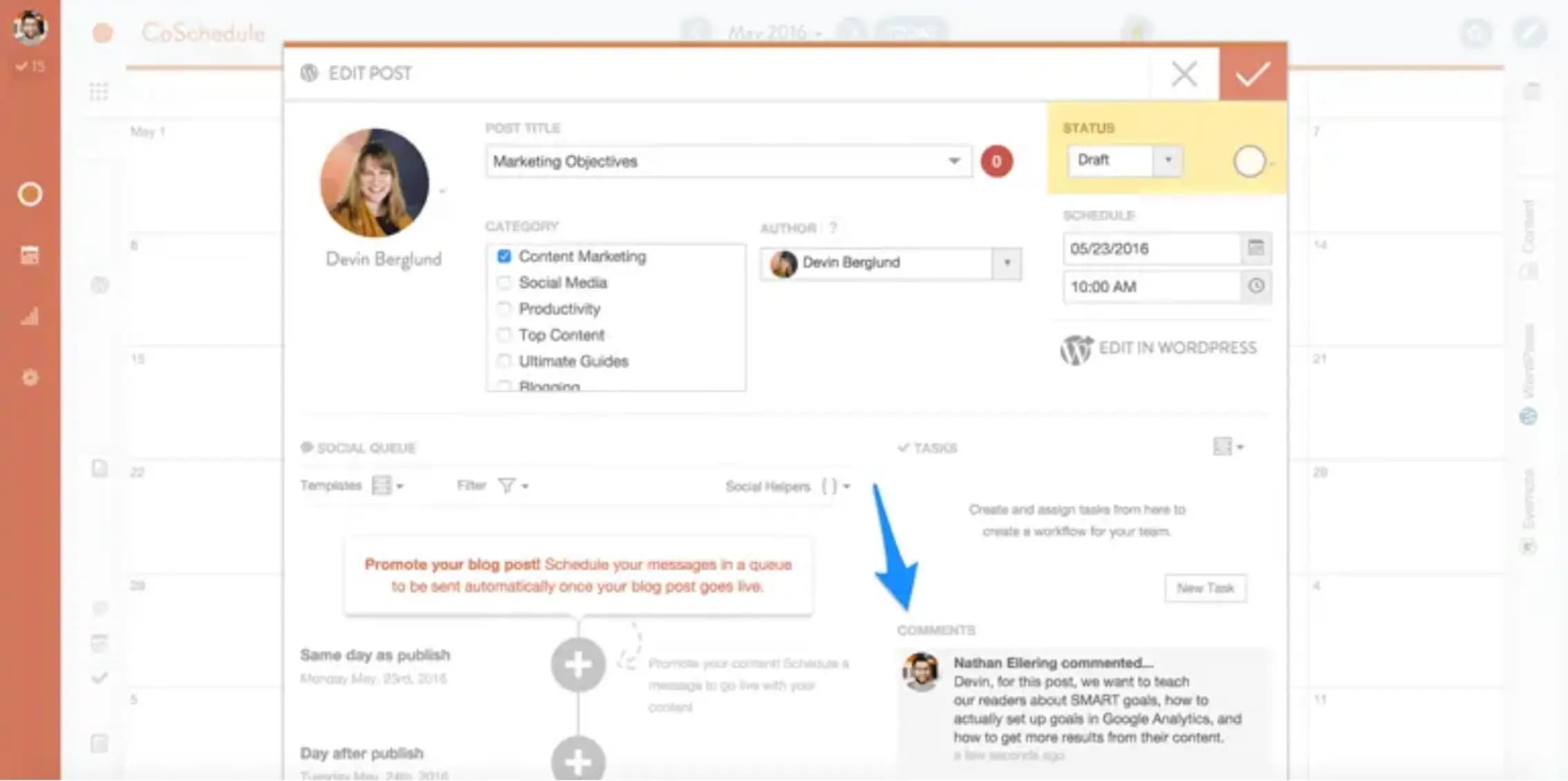
Turning strategy into results requires the right system. CoSchedule helps marketers increase website traffic by connecting planning, execution, and social media performance in one place. This structure enables teams to work more efficiently, stay consistent, and use insights to guide future content decisions.
- Plan content in a centralized calendar
- Teams can see all publishing activity and plan traffic-driving content in one view.

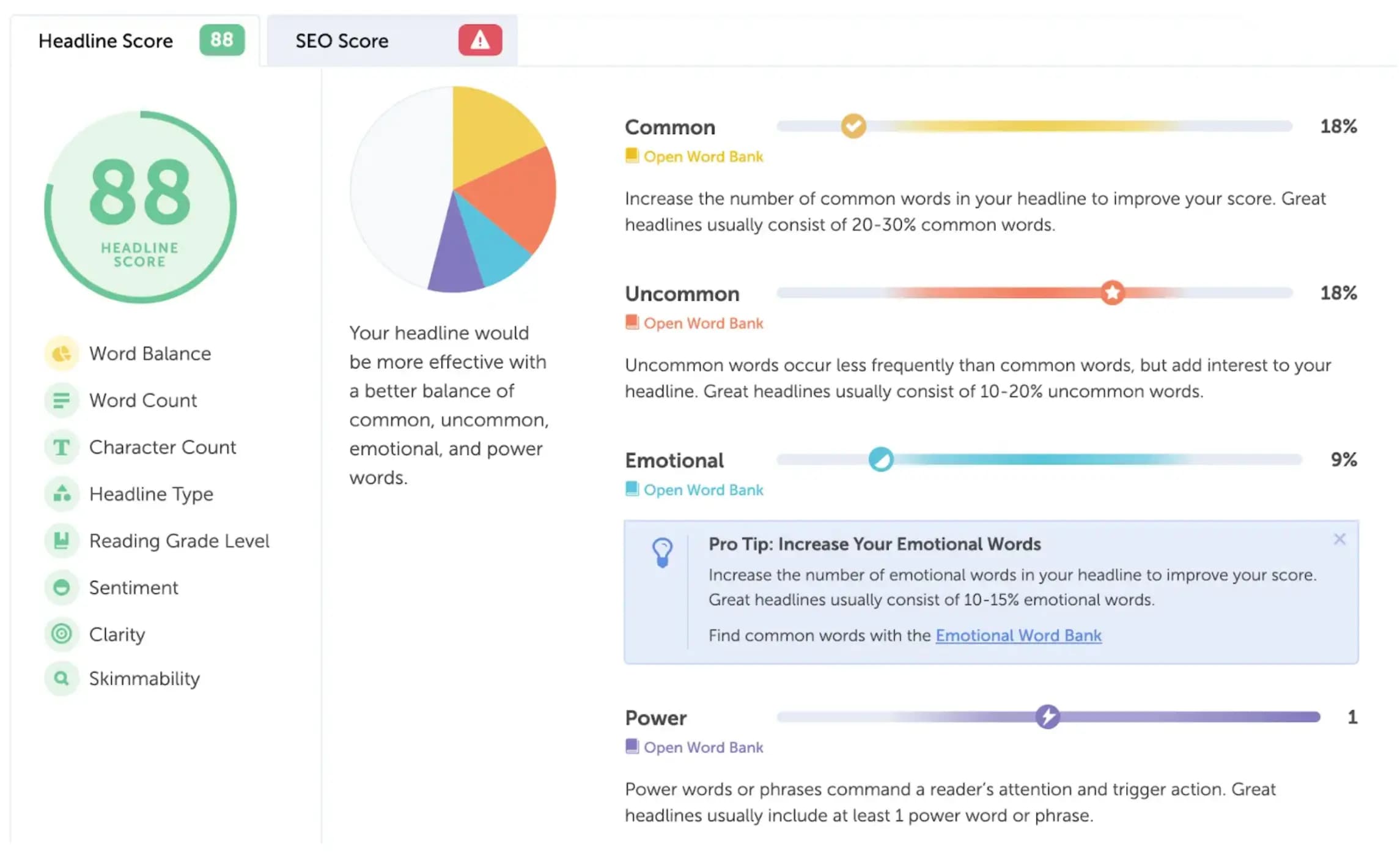
- Align SEO, content, and promotion workflows
- A single workflow ensures every piece of content is supported from planning through promotion.
- Ensure consistent publishing across channels
- Clear schedules and ownership make consistency easier to maintain.
- Collaborate across teams and clients
- Agencies and in-house teams can coordinate work across brands and stakeholders.
- Turn insights into repeatable strategies
- Social media performance data informs smarter planning and optimization.
Over time, CoSchedule supports long-term organic website traffic growth through structured planning and consistent execution.
Website Traffic Growth For Marketing Teams And Agencies
As teams grow, traffic strategies must scale with them. Marketing teams and agencies need systems that support consistency across multiple campaigns, brands, and stakeholders while still delivering measurable results.
- Proving value with traffic data
- Agencies use website traffic trends to demonstrate impact and progress to clients.
- Scaling strategies across brands
- Repeatable workflows make it easier to apply proven strategies consistently.
- Driving predictable results
- Structured execution leads to reliable outcomes rather than one-off wins.
- Why tools matter as much as tactics
- Execution determines success, making tools critical to growth.
Build A Sustainable Website Traffic Engine
Website traffic growth is not the result of isolated tactics or one successful campaign. It is built through deliberate planning, consistent execution, and ongoing analysis. Marketers who succeed focus on systems that support long-term performance.
They combine smart website traffic analysis, proven traffic generation strategies, and consistent, planned content execution. When planning and performance work together, website traffic becomes a reliable growth engine instead of an unpredictable metric.
Try CoSchedule to turn your content into a traffic-driving machine.