
B2B buyers don’t show up cold anymore.
Before anyone fills out a form, they’ve already done (a lot of) research. By the time your marketing team gets their info, that account is often mid-comparison and talking about vendors you never realized were in the running.
Inside companies, decisions now span technical, financial, and operational review, which stretches timelines and multiplies objections.
All of that makes the pipeline harder to read and harder to forecast.
That is why nearly half of marketers in CoSchedule’s latest industry survey say lead generation is their top priority for 2026.
Ahead, I’ll break down how B2B lead generation funnels actually behave today, and which strategies and tools improve results.
What Is B2B Lead Generation?
In B2B lead generation, your goal is to attract businesses and turn that attention into real sales conversations.
In practice, that work looks different from consumer marketing. Deals take longer, more people weigh in, and the risk feels higher on the buyer’s side. Marketing has to support research, internal debate, vendor shortlists, and budget conversations long before a rep ever gets involved.
Good lead generation work should:
- Answer real operational questions
- Lay out trade-offs between approaches
- Show proof through examples and results
- Stay useful and present across a long evaluation cycle
Most teams run this through a mix of inbound and outbound channels that work together:
- Content marketing: blogs, guides, SEO resources, case studies
- Paid media: search ads, LinkedIn campaigns, retargeting
- Email and webinars: newsletters, live sessions, workshops
- Account-based marketing: targeted outreach to specific accounts and buying groups
Prospects move between these marketing channels as their priorities change. Someone might arrive through search, go quiet for weeks, come back for a live session, download a comparison guide, and only then talk to sales.
That zig-zag path is normal in B2B, and it is what shapes how modern funnels get built.
How The B2B Funnel Works
The B2B funnel maps how prospects go from first hearing about you to actually being ready to buy, and where marketing hands things to sales.
Labels vary, but most funnels fall into these three buckets:
Top Of Funnel: Awareness
At the top, buyers are trying to understand a problem or opportunity. They might not know your brand yet, or even have a shortlist.
This is where inbound can help you earn familiarity, repeat visits, and early internal sharing inside target accounts. Educational content, timely industry analysis, and introductory guides give prospects a reason to come back when the topic resurfaces internally.
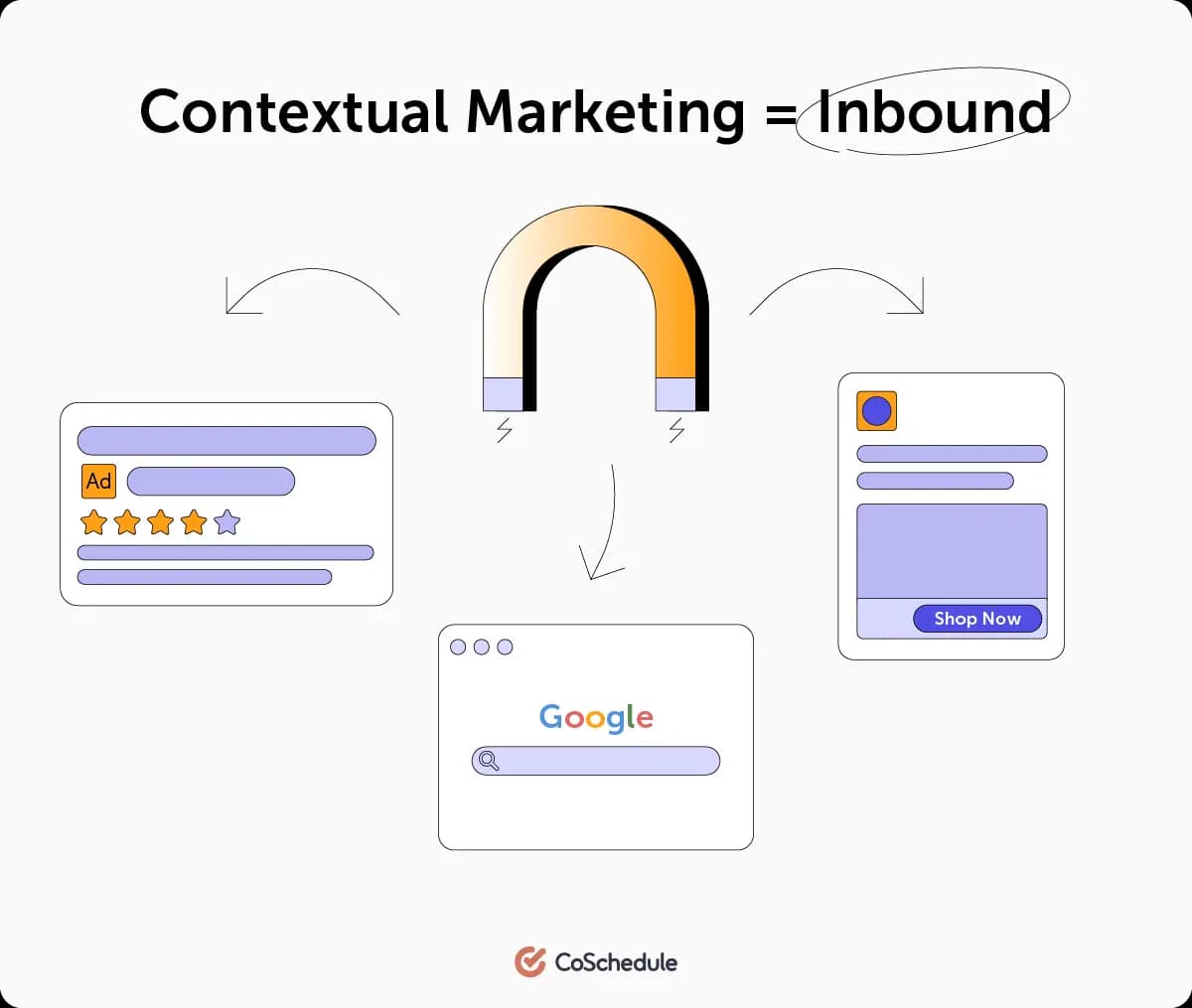
In B2B, inbound means showing up in the places prospects already go when they research: search results, LinkedIn feeds, newsletters, and communities.
Your goal is to answer their initial questions well enough that they bookmark your site, subscribe, or read another blog post the next time the topic comes up.
Read More: The Ultimate Guide To Top-Of-Funnel Content
Middle Of Funnel: Consideration
In the middle, buyers start narrowing options.
Marketing shifts from broad education to deeper engagement:
- Nurture programs across email and retargeting
- Webinars and product-adjacent learning
- Frameworks, checklists, and evaluation guides
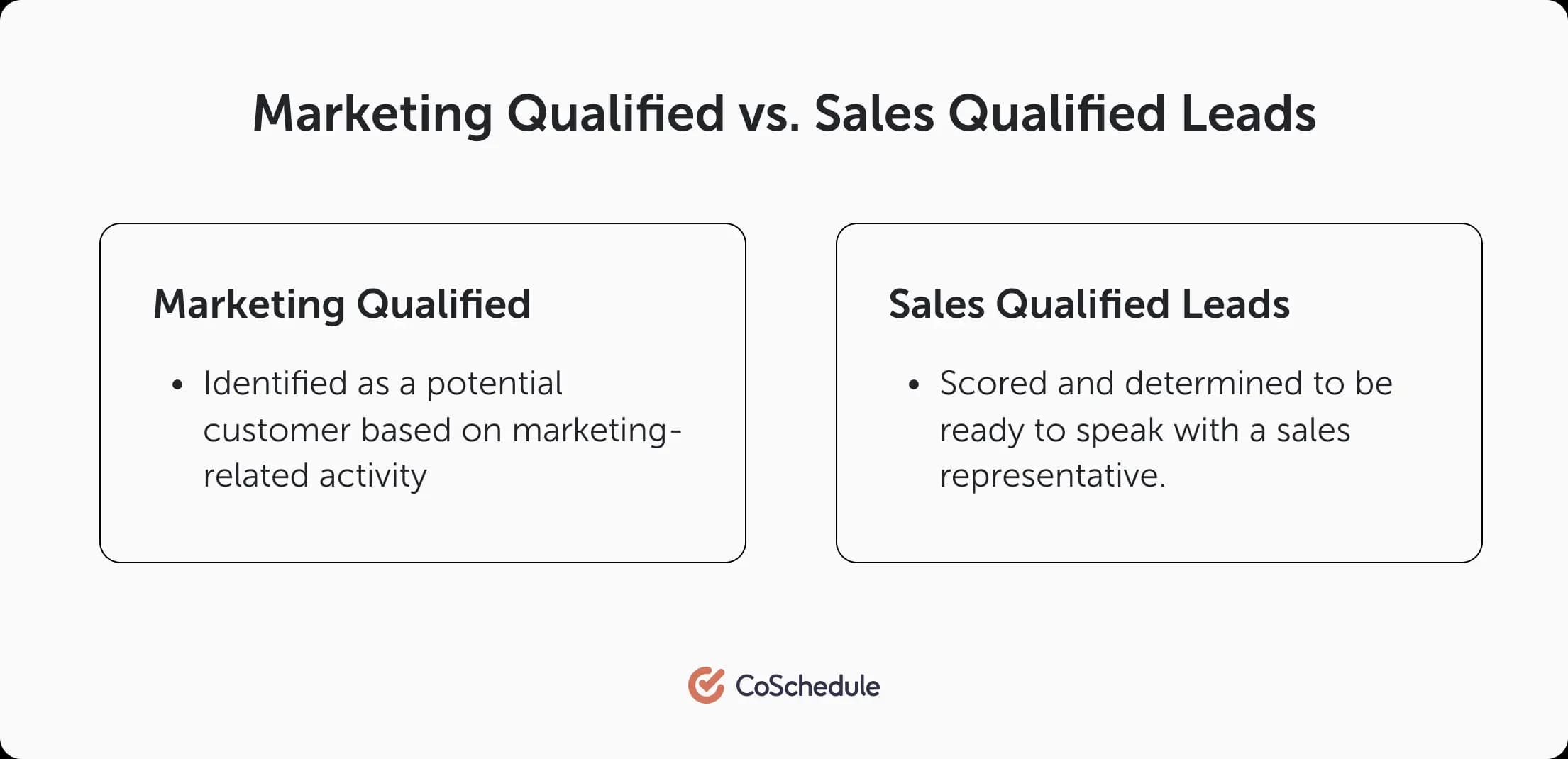
This is where your marketing team tries to create Marketing Qualified Leads (MQLs). These are accounts that fit your target profile and are showing real buying signals like repeat visits and demo-page views.
Read More: Middle of Funnel Content Marketing: Here’s Everything You Need to Know to Skyrocket Conversions
Bottom Of Funnel: Conversion
At the bottom, prospects are close to making a purchase decision.
Marketing’s role is to remove friction and provide sales with assets meant to push deals forward:
- Case studies and ROI stories
- Competitive comparisons
- Implementation documentation that sales can use inside live deals
Handoffs matter most here. If marketing and sales don’t agree on what “ready” looks like (or when to loop in an AE) deals stall and internal trust takes a hit.
Read More: Master Bottom Of Funnel Marketing & See Growth Like Never Before
Proven B2B Lead Generation Strategies For Marketers
Let’s discuss proven marketing strategies to enhance your B2B lead gen efforts.
Build Content Around Real Buying Questions
Pull your top content from the last 12 months, then sort it into two groups. One group includes pieces that drove traffic. The other includes pieces that actually appeared in active deals.
To build that second list, look through closed won notes, call recordings, sales emails, and CRM activity. Ask reps which links they send when prospects stall.
From there, rebuild your editorial plan around the questions buyers need to answer inside their own company:
- How do we solve this problem?
- What approaches exist?
- What does implementation look like?
- How do vendors compare?
- What ROI should we expect?
Pages that bring in serious leads usually tackle those topics head-on. Think: side-by-side comparisons, rollout walkthroughs, pricing logic, and tradeoffs someone can quote in an internal meeting.
Top Tip: Write down the funnel stage the asset supports and the decision it helps a buyer make. If you cannot point to that decision clearly, pause the piece and reshape it until you can.
Run ABM Campaigns For High-Value Accounts
If you sell to mid-market or enterprise accounts, stop treating Account-Based Marketing (ABM) as a side project.
Sit down with sales and lock a real account list. Pick a narrow vertical or segment, then design one campaign that runs long enough to register, usually several weeks. Keep every touch tied to that same group, whether it shows up through email, paid social, events, or SDR outreach.
Demandbase reports higher ROI among mature ABM programs. The common thread shows up in how those teams work fewer accounts, tailor messages deeply, and stay in the market long enough for buying groups to engage.
To make your own program repeatable, write down four things before launch:
- Which roles inside the account matter most
- What each role is trying to solve
- What behavior signals real interest
- When sales steps in and what that outreach looks like
Keep that document visible to everyone involved. When it only lives in people’s heads, campaigns fall apart the moment priorities shift.
Use Paid And Social To Advance Deals
In long B2B cycles, paid and social often do their real work after the first click. They keep accounts engaged while buying groups compare options, loop in finance, and wait for internal approvals.
That makes your goal clear. Use these channels to move active accounts toward their next decision.
On the paid side, Cost Per Click (CPC) matters, but it won’t tell you whether an account is moving closer to a purchase.
Build audiences around actions that usually show active evaluation:
- visits to pricing pages
- multiple sessions from the same company in a short window
- webinar attendance
- time spent on product pages
- reads of comparison material
As most B2B buyers need many touches before committing, retargeting and mid-funnel ads often carry the follow-up during long evaluation cycles.
Before launching any paid campaign, define the next step you want a prospect to take. That might mean registering for a session, requesting a security overview, downloading a comparison guide, or booking time with sales once intent is clear.
Score Leads Based On Behavior, Then Revisit It Quarterly
If your MQL model hasn’t changed in a year, it’s probably wrong.
Shift weight toward signals that show genuine evaluation, like asset depth consumed, repeat visits, time on pricing pages, and product-led content engagement.
Salesforce’s State of Marketing Research points to predictive AI becoming a staple across teams, which aligns with the fact that more organizations are leaning on behavioral inputs rather than demographic filters.
Set a quarterly cadence with sales to review:
- Which leads actually became opportunities
- What they did before converting
- Which signals were misleading
Then update scoring rules accordingly.
That feedback loop is where lead quality improves.
Plan Multi-Channel Campaigns As One System
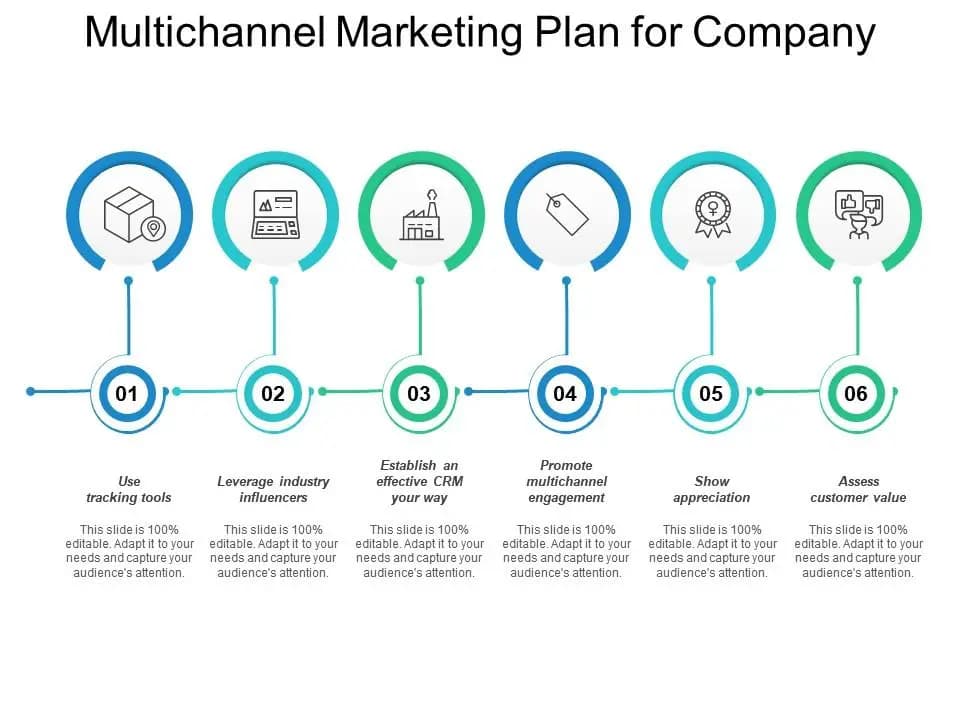
Buyers move between ads, content, events, and sales conversations—and they expect those touches to connect.
To put that into practice, plan each B2B lead generation campaign as a sequence that unfolds over time, with every channel pointing toward the same next step in the buying process from day one.
Before anything goes live, capture the plan in one place:
- What launches first
- What follows in week two
- How sales follow up once engagement shows up
- How progress gets measured
When teams answer those questions early and keep them visible, channels start reinforcing each other. Activity compounds and the pipeline becomes easier to forecast because everyone works from the same plan.
Read More: The Big Post of B2B Marketing Campaign Examples and Templates to Be More Creative
Lead Nurturing And Conversion Optimization Across The B2B Funnel
Once inbound, ABM, paid, and events are working, the pressure usually moves downstream.
Leads start piling up, sales start questioning quality, but more importantly, deals take months to close.
B2B programs succeed or stall based on how effectively they guide buyers through evaluation. Which brings us to the next step: turning activity into progression.
Find Out Where Deals Are Getting Stuck
Pull funnel data from the last two quarters and map three ratios:
- Lead → Marketing Qualified Lead (MQL)
- MQL → First Sales Meeting
- Opportunity → Close
Those numbers usually make the problem obvious.
Weak lead-to-MQL rates usually point to shallow early education. Poor MQL-to-meeting conversion often signals mistimed outreach or unclear qualification. Long-stalled deal opportunities typically reflect missing proof, unclear pricing, or hesitation about rollout.
Shape Nurture Around Real Buying Decisions
Plan nurture to move people based on what they do, not how long they have sat in a list.
Create separate tracks for early research, active evaluation, and late-stage justification. Move accounts between them automatically when their actions change.
Treat repeated pricing page visits, evaluation content views, or attendance at product-heavy sessions as buying signals. When those show up, change the messaging and bring sales in so outreach matches what the buyer is already reviewing.
When engagement drops, slow the pace and return to category education or problem framing so you stay useful while the account sorts things out.
Tighten The Hand-Offs Between Stages
Next, look closely at the moments where buyers cross from one stage to the next.
Review what happens after events and measure how quickly demo requests get responses. Also, check whether SDR emails reference assets prospects already downloaded or watched.
Then look at stalled deals and hunt for the same objections showing up again and again.
Turn those patterns into practical changes across the journey. You can add comparison guides to mid-funnel sequences, introduce ROI models earlier in sales conversations, share rollout plans before procurement steps in, and publish case studies tied to specific segments.
Run those updates for a quarter and then re-check the same funnel ratios. If stage-to-stage conversion improves, the system is helping buyers make decisions faster.
Essential B2B Lead Generation Tools For Marketing Teams
A B2B lead marketing stack usually depends on four systems working together: campaign planning, automation, analytics, and the CRM.
Here’s a closer look at them:
Content Planning And Campaign Management
This is where lead gen actually gets organized.
You map out launches, events, paid pushes, and sales materials against the same goals, then track what’s shipping, who owns it, and which stage of the funnel it supports.
Good planning tools also give you a forward look at pipeline coverage. You can spot problems early, like a quarter packed with top-of-funnel content and almost nothing built for late-stage buyers.
Marketing Automation
Automation platforms handle capture, scoring, segmentation, and nurture paths.
It does its best work when routing follows behavior, sequences change as intent shifts, and sales get alerts tied to real engagement.
Analytics And Attribution
Analytics explain what actually influences revenue.
You can use these tools to see which campaigns create MQLs, which assets show up in closed deals, how long leads sit in each stage, and where momentum drops off.
Attribution matters when it ties those signals to revenue movement and informs where to put effort next.
CRM
The CRM holds the commercial record of the relationship. It tracks engagement history, stage definitions, and feedback from sales conversations.
When marketing and sales treat it as the shared record, scoring improves, and campaign learnings feed directly into future plans.
How CoSchedule Helps Streamline B2B Lead Generation
Most B2B stacks have capable tools. The trouble usually starts when campaign planning gets scattered across them.
Here’s where CoSchedule helps:
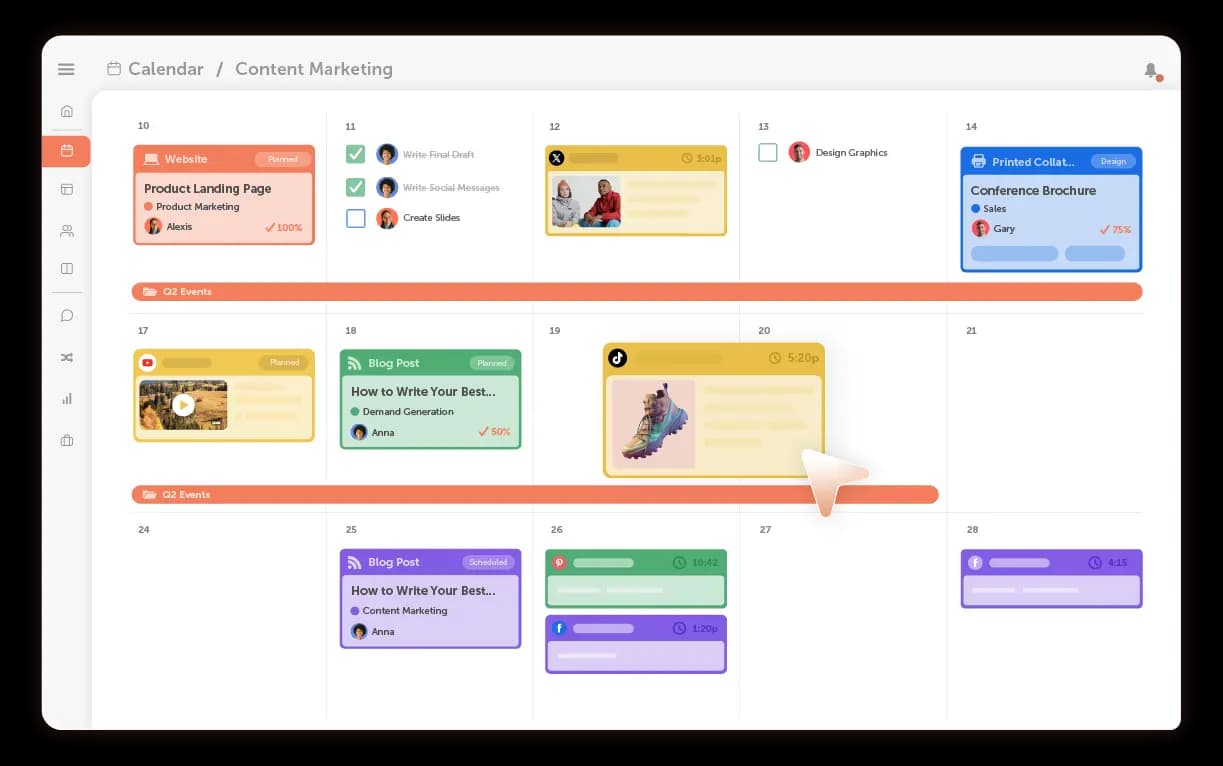
- One shared Marketing Calendar: Keep blogs, webinars, gated assets, paid pushes, and sales assets on one timeline so everyone sees what’s coming up and who owns it.
- Campaigns for multi-touch programs: Group related projects into a single campaign so it’s easier to run work as a sequence across weeks.
- Client calendars for agencies: Separate work by client without losing the big-picture view across accounts.
- Workflow and task management: Assign work and set approvals to control operational bottlenecks.
- Filtered calendar views: Create views so different people can focus on what they need without hiding work from the rest of the team.
If your lead generation feels busy but unpredictable, CoSchedule gives you a clearer way to plan, run, and measure campaign-driven B2B marketing. Sign up for free and see how it fits your workflow.
