
Even if your department does not have a dedicated social media manager, your audience still expects destination updates, seasonal campaigns, event promotions, local recommendations, and engaging content across multiple channels.
Many tourism organizations and destination marketing teams rely on lean staff, shared responsibilities, outside partners, or rotating contributors to keep social channels active.
The good news is that consistency does not require a full-time social team.
With the right systems and social media management software, tourism marketers can organize campaigns, schedule content ahead of time, collaborate more efficiently, and publish consistently without creating more work.
In this guide, we compare the best social media management tools for tourism marketing teams and explain how to choose the right platform.
Key Takeaways
- Tourism marketing teams do not need a full-time social media manager to maintain a consistent social presence.
- Social media management tools help tourism departments plan campaigns, schedule content, collaborate with stakeholders, and stay organized.
- The best tourism marketing software includes scheduling, shared calendars, automation, analytics, and approval workflows.
- CoSchedule stands out for tourism teams because it combines campaign planning and social publishing in one centralized calendar.
- Smaller teams may prefer simple scheduling tools, while larger organizations may benefit from more advanced reporting and collaboration features.
- Building a repeatable social media process helps tourism departments stay visible during peak travel seasons without increasing headcount.
5 Tips To Speed Up Your Social Posting Process When You Don’t Have A Large Staff
Tourism marketing teams are constantly balancing seasonal promotions, stakeholder requests, event coverage, and destination storytelling, often with limited resources. The key to maintaining momentum is creating repeatable systems that reduce manual work and make publishing easier.
1. Create A Monthly Content Calendar
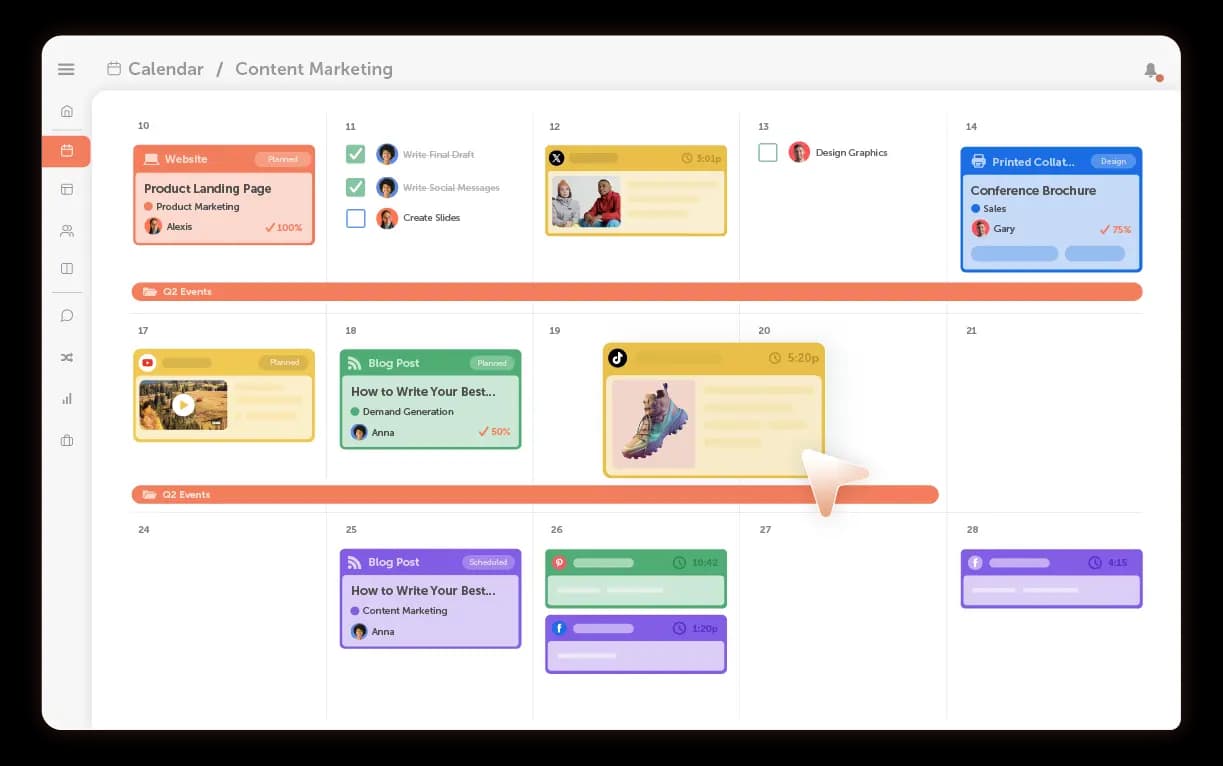
Planning content in advance removes daily decision-making and helps your team stay consistent even during busy travel seasons.
Start by mapping your month around:
- Seasonal travel opportunities
- Local events and festivals
- Destination highlights
- Campaign launches
- Partner promotions
- Evergreen content
A shared content calendar gives everyone visibility into what is being published and when. Instead of scrambling for daily posts, your team can batch work and stay proactive.
Aim to build your calendar at least 2–4 weeks ahead while leaving flexibility for timely updates.
2. Partner With Content Creators And Collaborators
Tourism marketing does not need to happen entirely in-house.
Many destination organizations speed up content production by collaborating with:
- Local creators
- Tourism ambassadors
- Hotels and attractions
- Restaurants and local businesses
- Event organizers
- Visitors and community contributors
These partnerships help expand your content pipeline while reducing pressure on internal staff.
Create simple guidelines around content expectations, deadlines, approvals, and brand voice so contributions are easier to publish.
3. Keep A Database Or Backlog Of Marketing Assets
One of the biggest time drains in social media management is constantly searching for content.
Build a centralized library that includes:
- Destination photography
- Video clips
- Testimonials
- Campaign copy
- Seasonal templates
- Approved hashtags
- Previous high-performing posts
Organize assets by campaign, season, destination, or content type.
When your team needs to publish quickly, having approved content ready dramatically reduces production time.
4. Use AI To Create Content Faster
AI tools can help small tourism teams move from idea to publish-ready content much faster.
Use AI to:
- Generate first drafts
- Create social captions
- Repurpose blogs into social posts
- Brainstorm campaign ideas
- Rewrite content for different platforms
- Build promotional messaging
AI works best as an accelerator rather than a replacement for your team’s expertise.
Your destination knowledge, audience insights, and local context still matter. AI simply helps eliminate repetitive writing tasks.
5. Automate High-Performing Content And Reporting
Not every social post needs to be created from scratch.
Identify destination content that consistently performs well and automate it into recurring schedules:
- Visitor guides
- Seasonal reminders
- Popular attractions
- Travel itineraries
- Event recaps
- User-generated content
Then automate reporting to eliminate manual performance tracking.
Set up recurring reports that automatically surface:
- Engagement trends
- Top-performing campaigns
- Reach and impressions
- Audience growth
- Publishing performance
Automation allows lean tourism teams to spend less time posting and reporting and more time creating campaigns that attract visitors.
What To Look For In Tourism Marketing Software
The right tourism marketing software should do more than schedule posts. It should help your team stay organized, collaborate efficiently, automate repetitive work, and measure what’s driving travelers to take action.
Shared Marketing Calendars
Tourism campaigns overlap constantly. A centralized calendar helps teams visualize upcoming promotions.
Social Scheduling
Batch content and schedule weeks ahead to stay active during busy travel periods.
Content Reuse And Automation
Evergreen destination content should continue generating engagement without rebuilding campaigns.
Collaboration And Approvals
Tourism marketing often includes contributors across departments and external partners.
Analytics And Reporting
Track which destinations, campaigns, and content types drive engagement.
AI Writing Tools
Generate first drafts instantly, refine messaging, and move from rough ideas to polished, publish-ready content.
Best Social Media Management Tools For Tourism Marketing
Not every social media management platform is built with tourism marketers in mind. These tools stand out for helping destination marketing organizations, tourism boards, and travel brands plan campaigns, streamline collaboration, and maintain a consistent social media presence throughout the year.
1. CoSchedule
Best For
Tourism departments that want campaign planning and social scheduling in one place.
Overview
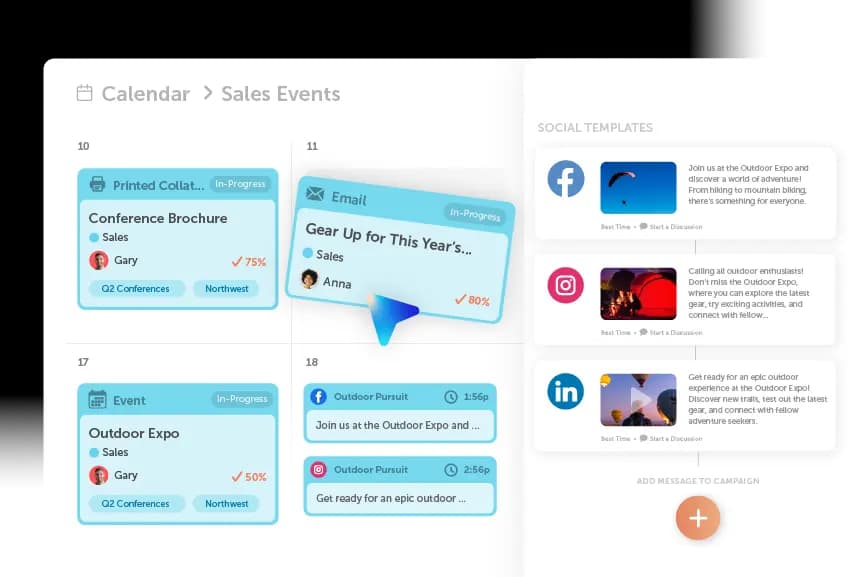
CoSchedule helps tourism marketers organize social campaigns inside a centralized marketing calendar.
Instead of treating social media as a standalone task, teams can manage campaign planning, scheduling, approvals, content creation, and execution together.
For tourism organizations managing destination launches, seasonal promotions, events, and recurring content, visibility becomes a major advantage.
Key Features
- Marketing Calendar
- ReQueue automation
- Team collaboration
- Campaign visibility
- AI writing tools
- Approval workflows
Pricing
- Free Plan: $0 forever
- Starter Plan: $29/month
- Professional Plan: $49/month
Pros
- Combines campaign planning and publishing
- Built for collaboration
- Excellent visibility across marketing work
Cons
- More robust than simple schedulers
Try CoSchedule → Free Sign-Up Today!
2. Hootsuite
Best For
Large tourism organizations needing broad publishing capabilities.
Overview
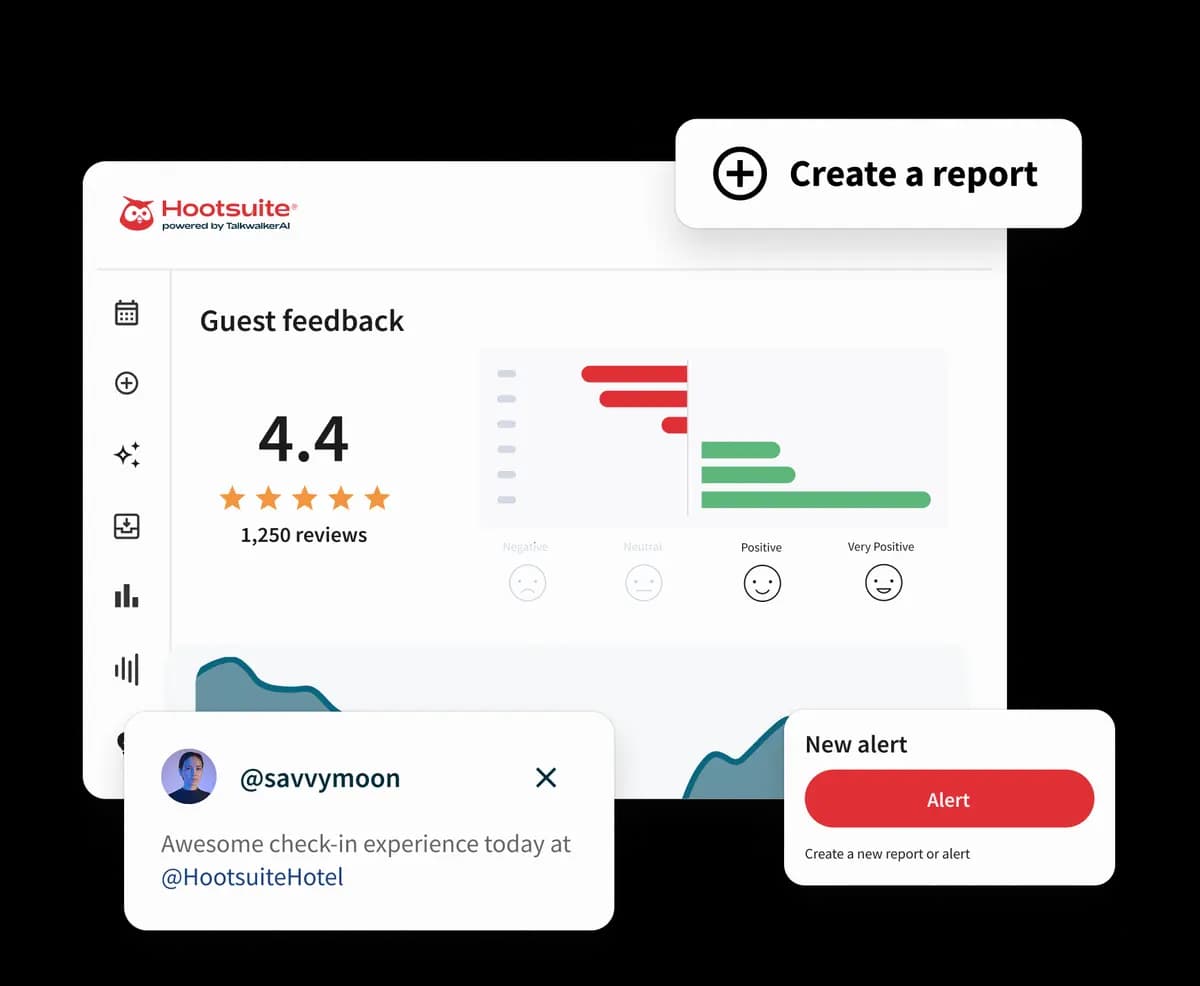
Hootsuite offers scheduling, publishing, inbox management, and analytics across major networks.
Key Features
- Multi-network scheduling
- Social inbox
- Analytics dashboards
- Approval workflows
Pricing
- Standard: $99 per user/month
- Professional: $199 per user/month
- Advanced: $399 per user/month
Pros
- Extensive platform support
- Strong publishing controls
Cons
- Can become expensive for smaller tourism teams
3. Buffer
Best For
Small tourism teams that want simplicity.
Overview
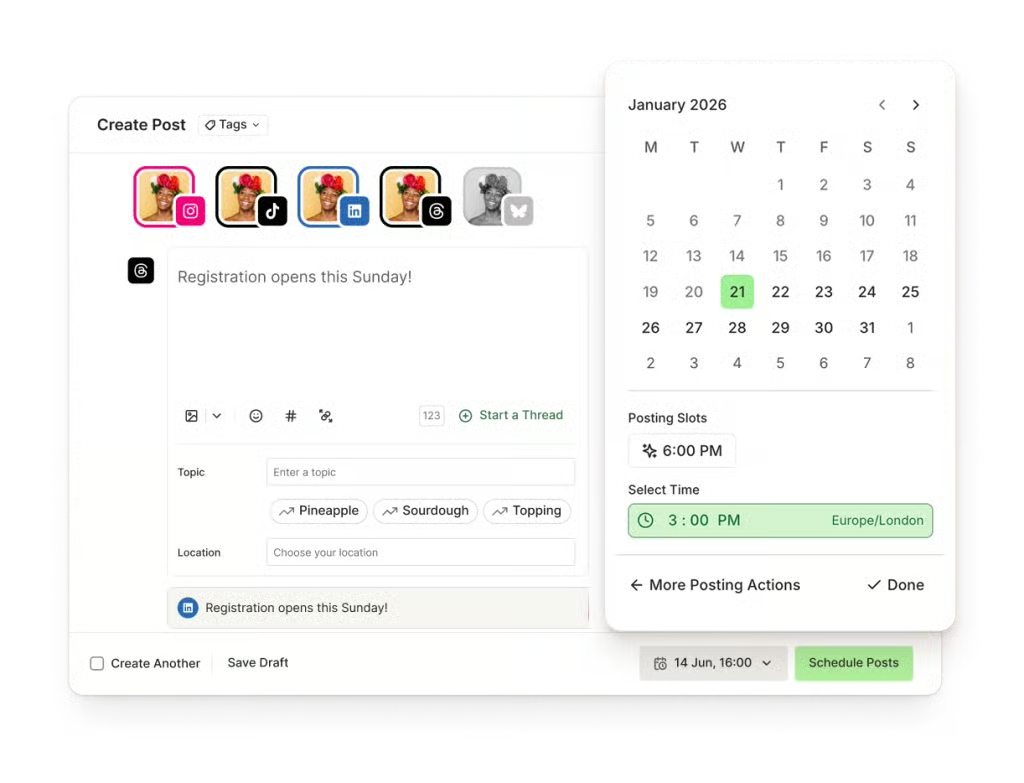
Buffer focuses on easy scheduling and lightweight content management.
Key Features
- Publishing calendar
- Scheduling
- Basic analytics
Pricing
- Free Plan: $0 forever
- Essentials: $5 per channel/month
- Advanced: $10 per channel/month
Pros
- Easy onboarding
- Affordable entry point
Cons
- Limited collaboration features
- Pay per social channel
4. Sprout Social
Best For
Tourism organizations prioritizing analytics.
Overview
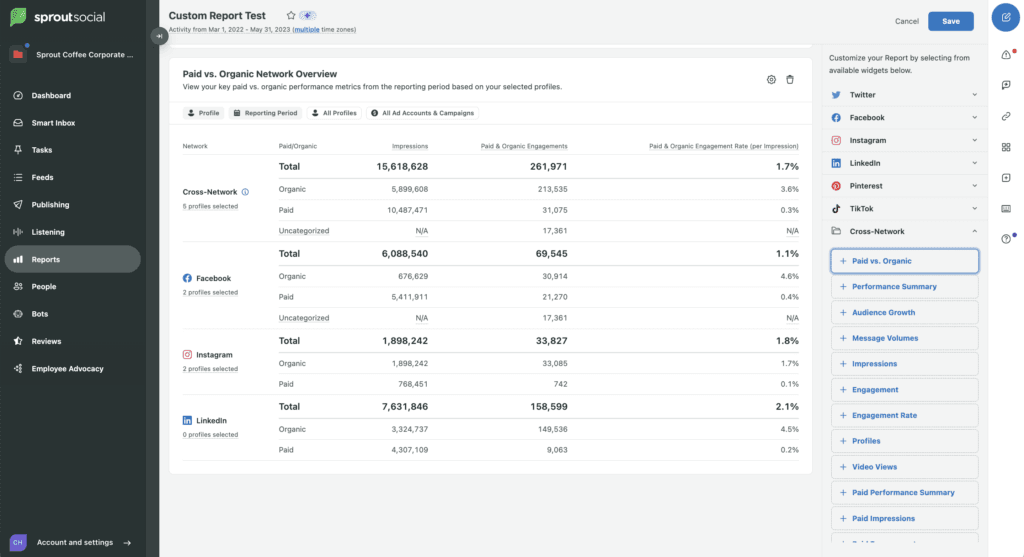
Sprout Social combines scheduling, reporting, listening, and customer engagement tools.
Key Features
- Advanced analytics
- Smart inbox
- Reporting dashboards
Pricing
- Standard: $199 per user/month
- Professional: $299 per user/month
- Advanced: $399 per user/month
Pros
- Deep reporting
- Strong enterprise capabilities
Cons
- Higher cost for small teams
5. Agorapulse
Best For
Tourism teams focused on engagement management.
Overview
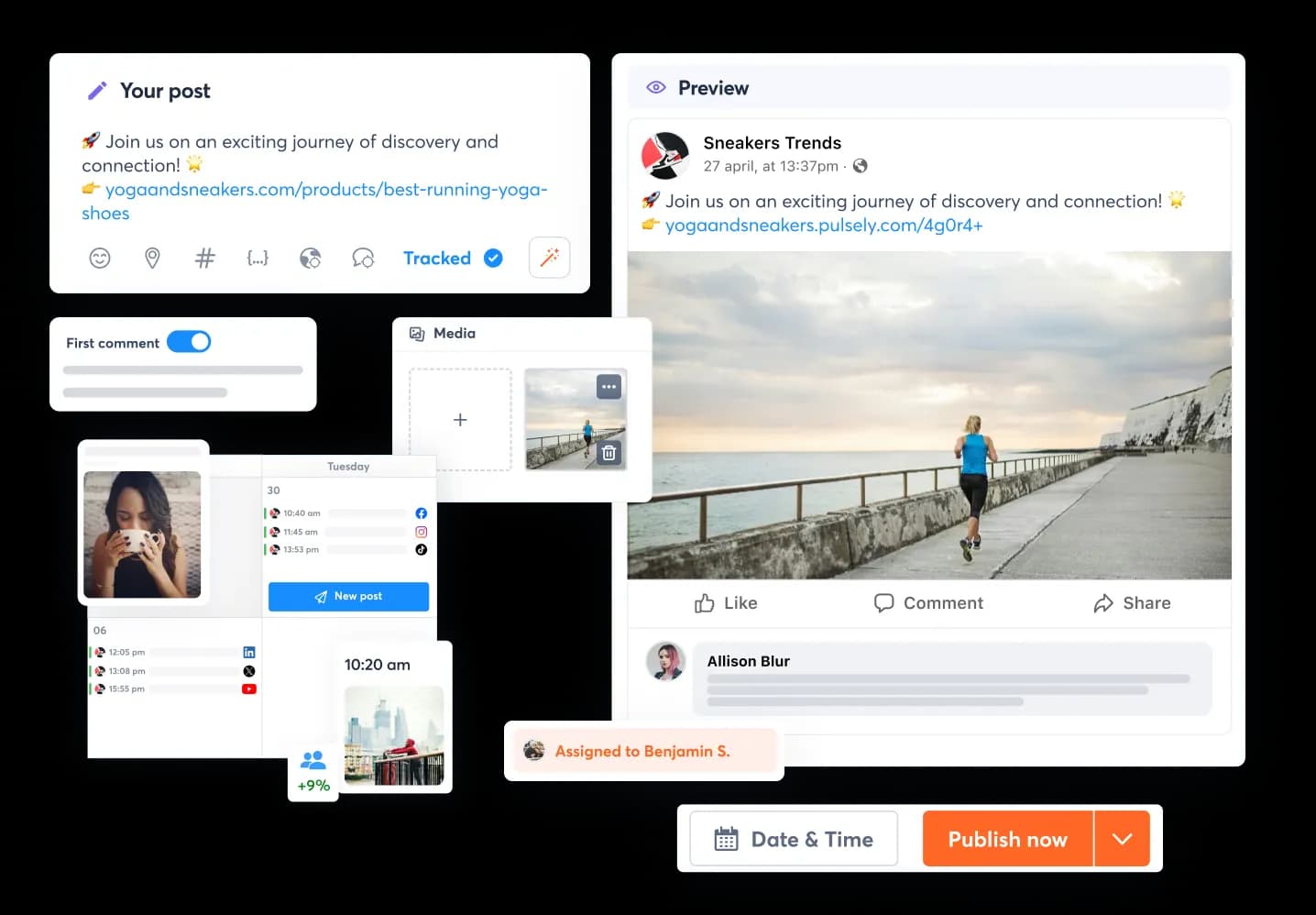
Agorapulse balances publishing with inbox and reporting functionality.
Key Features
- Unified inbox
- Scheduling
- AI assistance
- Reporting
Pricing
- Standard: $79 per user/month
- Professional: $119 per user/month
- Advanced: $149 per user/month
Pros
- Strong engagement workflows
- Helpful reporting
Cons
- Costs increase with users
6. Later
Best For
Destination brands with visual-first content.
Overview
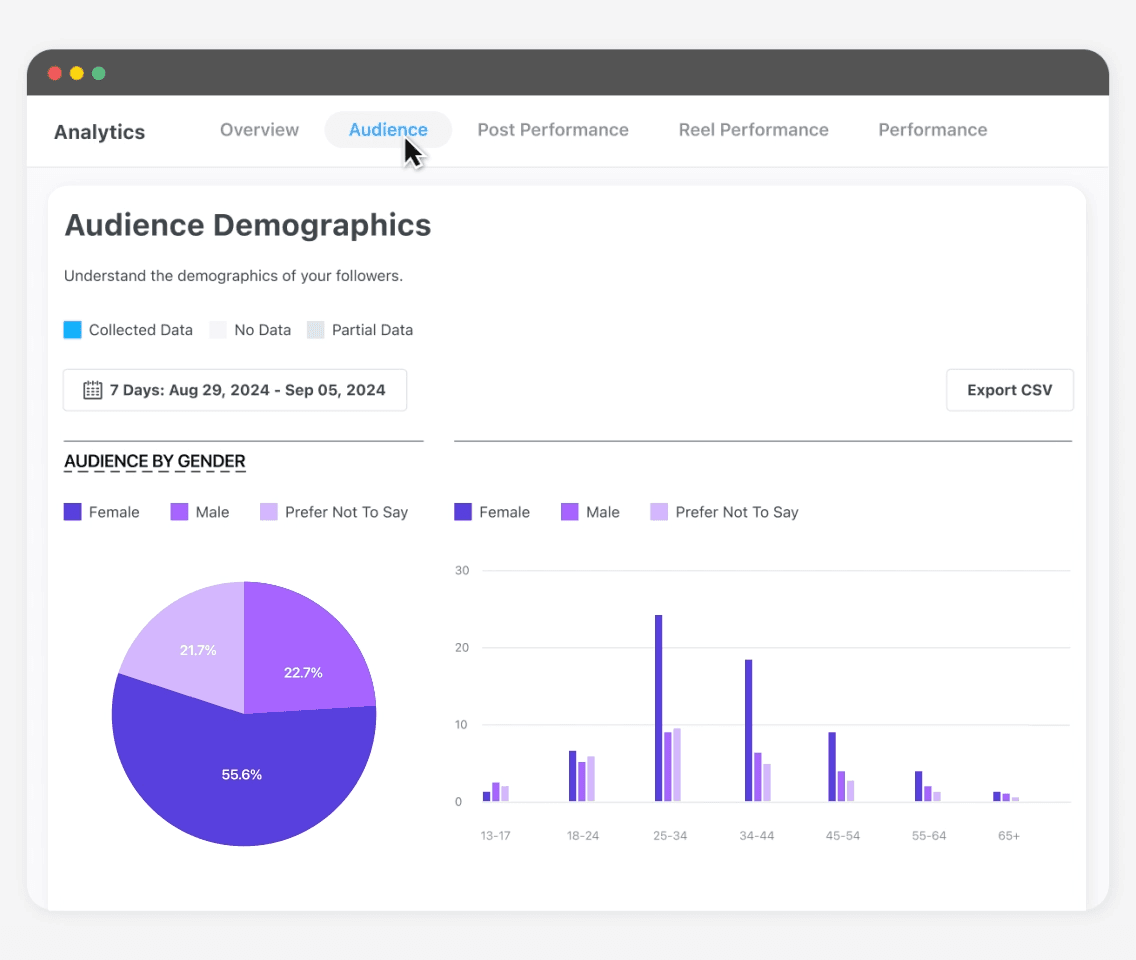
Later is designed around visual content planning and social scheduling.
Key Features
- Visual calendar
- Scheduling
- Media management
Pricing
- Starter: $25 per user/month
- Growth: $50 per user/month
- Scale: $110 per user/month
Pros
- Great visual workflow
- Heavily targeted for influencers
Cons
- Less campaign management depth
- Some social channels locked behind social sets
7. SocialPilot

Best For
Tourism teams balancing affordability and scale.
Overview
SocialPilot offers scheduling, approvals, analytics, and collaboration tools.
Key Features
- Bulk scheduling
- Analytics
- Collaboration
Pricing
- Essential: $30 per month
- Standard: $50 per month
- Premium: $100 per month
- Ultimate: $200 per month
Pros
- Strong value
- Multi-account support
Cons
- Fewer advanced workflows
- Plans user limits may push users to upgrade to higher-priced plans
Tourism Marketing Social Media Management Tools Comparison
| Tool | Best For | Starting Point | Strength |
|---|---|---|---|
| CoSchedule | Campaign planning | Free available | Calendar + organization |
| Hootsuite | Larger teams | Premium | Publishing controls |
| Buffer | Small teams | Free | Simplicity |
| Sprout Social | Analytics | Premium | Reporting |
| Agorapulse | Engagement | Free available | Inbox workflows |
| Later | Visual brands | Paid | Visual scheduling |
| SocialPilot | Budget teams | Paid | Affordable scaling |
How To Choose The Right Tourism Marketing Platform
Choose based on your biggest constraint:
If your problem is organization → Choose CoSchedule
If your problem is analytics → Choose Sprout Social
If your problem is budget → Choose Buffer or SocialPilot
If your problem is approvals and publishing → Choose Hootsuite
If your problem is visual planning → Choose Later
Final Thoughts
Tourism marketing does not require a full-time social media team. The right software helps your department stay consistent, coordinate contributors, publish ahead of schedule, and keep campaigns moving even during peak travel seasons.
If your team wants to manage social media alongside broader campaign planning, CoSchedule offers one of the strongest all-in-one options for tourism marketing teams.
FAQ
What is tourism marketing?
Tourism marketing is the process of promoting destinations, attractions, experiences, and travel opportunities to attract visitors and increase engagement.
What is the best social media platform for tourism marketing?
It depends on audience and goals, but Instagram, Facebook, TikTok, and YouTube are commonly used for destination promotion.
How do tourism departments manage social media with small teams?
Most use scheduling tools, shared calendars, approval workflows, and reusable content systems.
What software is best for destination marketing?
Teams often use platforms that combine scheduling, campaign planning, collaboration, and reporting. The best software options for destination marketing are CoSchedule, Sprout Social, or Hootsuite.
How far ahead should tourism content be scheduled?
Many tourism teams schedule 2–6 weeks in advance while leaving room for seasonal and real-time content.
What should tourism marketers post?
Content commonly includes destination highlights, events, visitor experiences, itineraries, local partnerships, and seasonal promotions.
How often should tourism brands post on social media?
Consistency matters more than frequency. Most teams succeed with a repeatable weekly publishing cadence.
Is social media important for tourism?
Yes. Social channels help influence travel decisions, increase destination awareness, and maintain engagement throughout the traveler journey.